How to Choose the Best Wireless Patient Monitoring System?
In today's healthcare landscape, the demand for a reliable wireless patient monitoring system is growing rapidly. Dr. Emily Carter, a leading expert in telemedicine, believes that “the right monitoring system can transform patient care.” These systems offer convenience and real-time insights, benefiting both patients and healthcare providers.
However, choosing the best wireless patient monitoring system is not straightforward. There are many options available, each with unique features. Factors such as network connectivity, device compatibility, and data security should be carefully evaluated. It’s essential to consider how well these systems integrate into existing workflows.
Despite the advanced technology, some challenges remain. Not all systems are user-friendly. Plus, the cost can vary significantly, impacting access for smaller healthcare facilities. As healthcare evolves, reflecting on these challenges is crucial for making informed decisions. A perfect solution might not exist, but the goal is to find a system that best meets patient needs.

Understanding the Basics of Wireless Patient Monitoring Systems
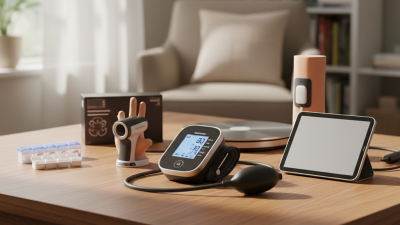
Wireless patient monitoring systems have transformed healthcare delivery. They enable continuous tracking of patients' vital signs from the comfort of their homes. Understanding the basics is essential when considering such systems.
These devices typically measure heart rate, blood pressure, and oxygen levels. Many systems use Bluetooth or Wi-Fi to relay information to healthcare providers in real time. This ensures timely interventions when necessary. However, the technology is not infallible. Signal interference or connectivity issues may arise. Patients and providers should be prepared for these hiccups.
Tips for choosing a good system: Look for ease of use. The device should be simple to operate. Complex interfaces can lead to confusion. Also, consider battery life. Longer-lasting batteries ensure consistent monitoring without frequent interruptions. Lastly, check for security features. Your patient’s health data is sensitive. Robust encryption is crucial.
Selecting a wireless monitoring system requires thoughtful consideration. Take time to evaluate options. Ensure the system meets your specific needs while keeping potential drawbacks in mind.
Wireless Patient Monitoring System Data Overview
This chart presents data on patient vitals monitored over time using a wireless patient monitoring system.
The metrics include heart rate, blood pressure, and oxygen saturation for a sample group of patients.
Key Features to Consider in a Wireless Patient Monitoring System
When selecting a wireless patient monitoring system, key features should be a primary focus. A user-friendly interface is essential. Clinicians need quick access to patient data. Look for touchscreen options and clear displays. Real-time data transmission is another crucial aspect. Reliable connectivity ensures timely alerts and updates. Consider the range of wireless signals. Systems should work seamlessly within the facility, even in remote areas.
Data security is vital in healthcare. Ensure that the system follows strict protocols. Encryption standards must be high. Interoperability is also important. The system should integrate with existing electronic health records. This will streamline workflows. Monitor battery life carefully. Frequent charging can hinder user experience.
Another aspect is compliance with healthcare regulations. Check for certifications and standards met. A system that falls short may lead to issues. Finally, consider scalability for future needs. As patient volumes increase, your monitoring system should adapt. Reflect on how these features align with your specific requirements.
How to Choose the Best Wireless Patient Monitoring System? - Key Features to Consider in a Wireless Patient Monitoring System
| Feature |
Description |
Importance |
| Real-Time Monitoring |
Continuous data collection and immediate alerts for vital signs. |
High |
| Data Security |
Encryption and secured data transmission to protect patient information. |
Critical |
| User-Friendly Interface |
Intuitive design for easy navigation and accessibility for healthcare providers. |
Medium |
| Integration with Other Systems |
Ability to connect with existing healthcare IT systems for seamless data exchange. |
High |
| Battery Life |
Durability of device battery for prolonged use without interruptions. |
Medium |
| Cost Effectiveness |
Evaluation of pricing relative to features and long-term value. |
High |
| Regulatory Compliance |
Adherence to industry standards and regulations (e.g., HIPAA). |
Critical |
Evaluating the Reliability and Accuracy of Monitoring Devices
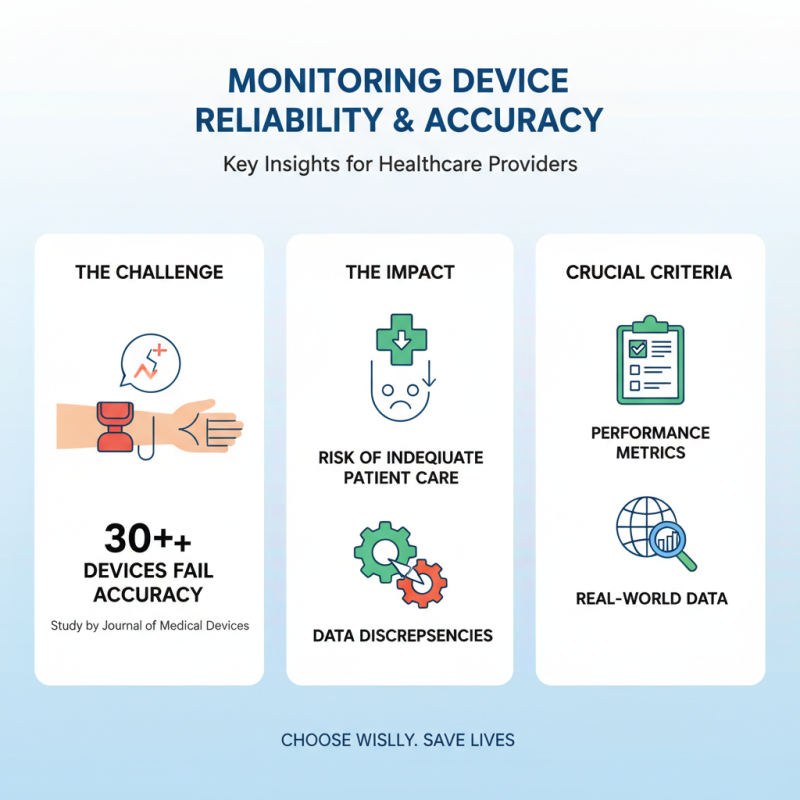
Selecting the right wireless patient monitoring system hinges on evaluating the reliability and accuracy of the devices. A study from the Journal of Medical Devices indicated that over 30% of monitoring devices fell short in reported accuracy. This discrepancy can lead to inadequate patient care. It’s crucial for healthcare providers to base their choices on performance metrics and real-world data.
Understanding measurement variability is vital. For instance, a device might display a slight deviation in heart rate readings. If the acceptable range is not defined clearly, patient outcomes can suffer. A comprehensive report by the American Heart Association highlights that miscalibration can lead to a staggering 25% increase in false alarms. Over time, this can cause alarm fatigue in medical staff, leading to less effective patient monitoring.
Accuracy also depends on the technology used. Some systems employ sensors that are more sensitive than others. If a device utilizes outdated technology, it may not deliver reliable results. A review conducted by the National Institute of Health noted that newer technologies consistently outperform older models, but they come at a higher cost. Balancing budget constraints with the need for precision is a challenge many healthcare facilities face.
Assessing Data Privacy and Security in Patient Monitoring Systems
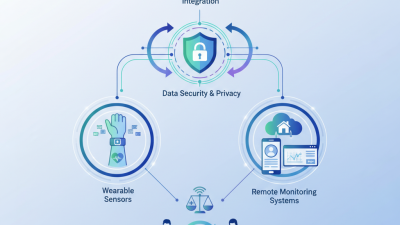
When choosing a wireless patient monitoring system, data privacy and security should be top priorities. These systems collect sensitive health information. Protecting this data is crucial to maintain patient trust. Not all systems are built equally when it comes to security measures. Some may have encryption, while others might lack basic protections.
It’s vital to assess how data is stored and transmitted. Look for systems that offer end-to-end encryption. This adds a layer of security that is essential. Also, examine their compliance with health regulations. Compliance indicates that the system follows industry standards. Yet, don’t assume all compliant systems are secure. Some may still have vulnerabilities.
Tips: Regularly update the software. Unpatched systems can be exploited easily. Conduct routine audits to spot potential weaknesses. Engage with professionals for security assessments. These steps might seem tedious, but they are necessary. The consequences of a data breach can be severe. Don’t overlook the importance of security in your choice of a monitoring system.
Comparing Costs and Value of Different Wireless Solutions
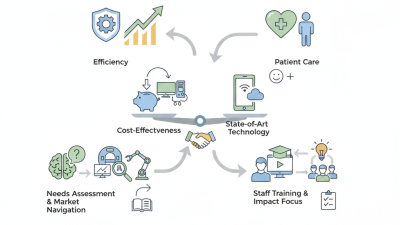
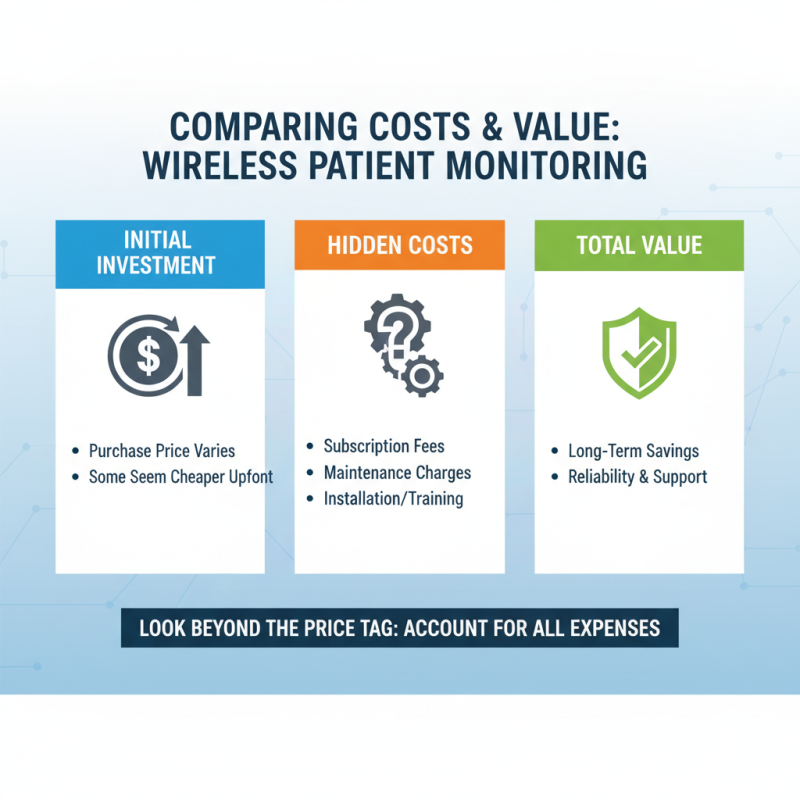
When comparing various wireless patient monitoring systems, understanding costs and value is essential. The initial investment can vary significantly among options. Some systems may seem cheaper upfront, but hidden costs could arise later. For example, ongoing subscription fees or maintenance charges can inflate total expenses. It's important to account for all potential costs beyond just the purchase price.
Consider the features offered by different systems. Some devices provide advanced analytics, while others may offer basic monitoring. A system with comprehensive data tracking may justify a higher price tag. However, if the features are not utilized, spending more may not be wise. Reflect on whether each feature meets specific patient needs. Value comes from aligning the technology with healthcare goals.
User experience also plays a critical role. Wireless systems should be user-friendly to ensure staff adoption. Complicated interfaces can lead to errors or user frustration. Training costs should be factored into the overall investment. Look for systems that balance intuitive design with essential functionality. While cost is a major factor, the long-term benefits and usability of the system ultimately define its true value.