In the rapidly evolving field of healthcare, the demand for effective medical accessories has never been higher. Healthcare professionals rely on a variety of tools to enhance patient care and streamline their work. These essential items not only aid in diagnosis but also improve treatment outcomes.
From basic tools like stethoscopes to advanced devices, the right medical accessories can make a significant difference. They should be reliable and user-friendly. It's crucial, however, to regularly evaluate the effectiveness of these accessories. Are they meeting your needs? Some tools may become outdated, leading to inefficiencies.
The growing range of available medical accessories presents opportunities and challenges. Professionals must stay informed about innovations while maintaining focus on patient care. Balancing the need for technology with hands-on skills is key. Reflect on what tools truly add value to your practice.
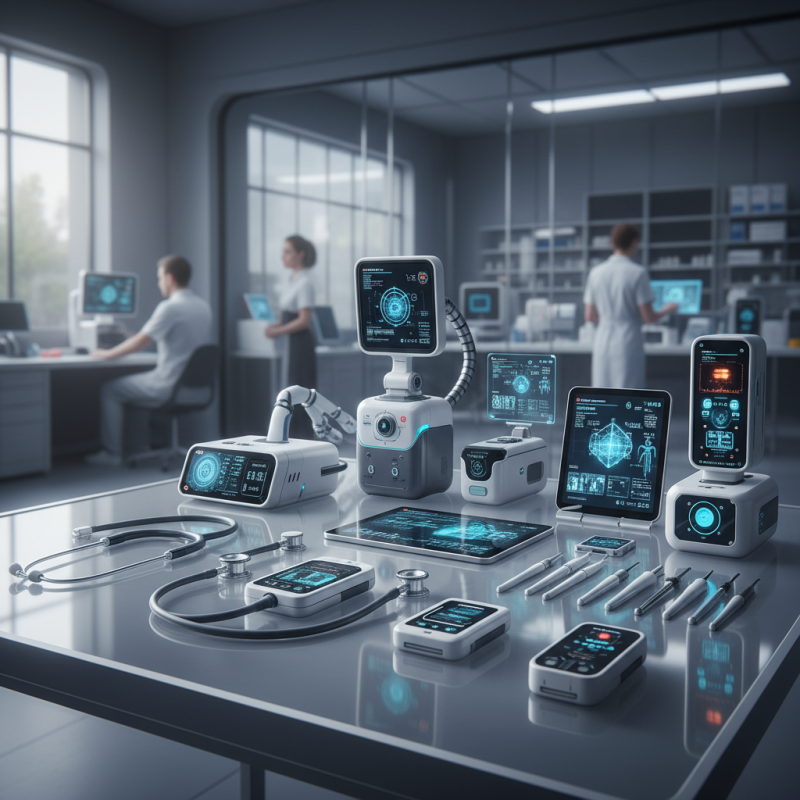
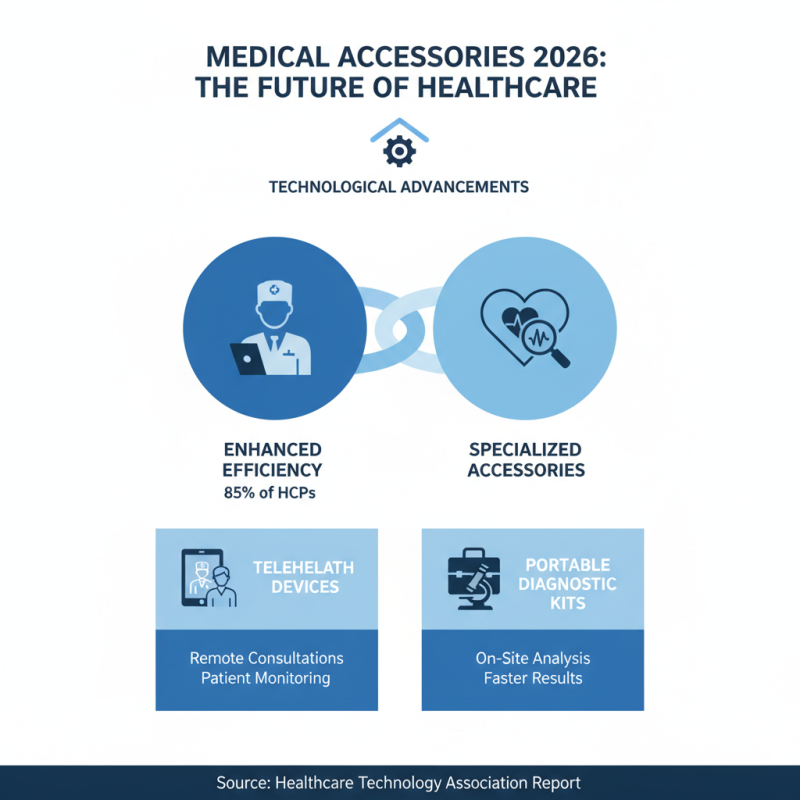
As we look ahead to 2026, essential medical accessories for healthcare professionals evolve alongside technological advancements. A recent report from the Healthcare Technology Association highlighted that nearly 85% of healthcare professionals find specialized accessories enhance their efficiency. This statistic underscores the value of integrating tools like telehealth devices and portable diagnostic kits into everyday practice.
Many professionals rely on compact tools, such as vital sign monitors and portable ultrasound devices. These items often improve patient care in various settings, but accessibility remains a challenge. Nearly 30% of healthcare workers reported difficulties in sourcing reliable accessories. This gap can hinder timely interventions, illustrating the need for better distribution channels and training.
Furthermore, infection control accessories, like antimicrobial surfaces and disposable equipment, are more critical than ever. A study from the Global Health Institute indicates that hospitals that implemented innovative infection control solutions saw a 25% reduction in hospital-acquired infections. However, not all facilities have adopted these measures. This discrepancy highlights an ongoing challenge: ensuring that all healthcare environments prioritize such crucial tools.
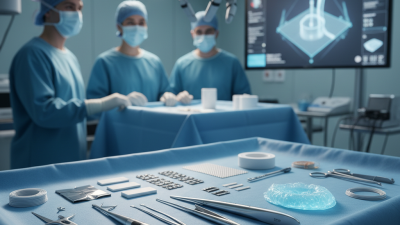
The healthcare industry is witnessing rapid advancements in medical tools and equipment. These innovations are crucial for improving patient care. According to a report by Grand View Research, the global medical devices market is projected to reach $612 billion by 2025, highlighting a growing demand for advanced accessories.
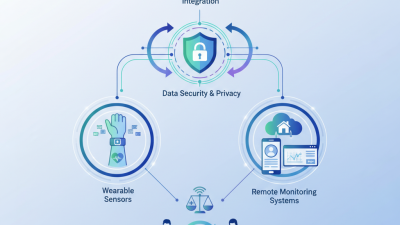
Wearable health tech is transforming patient monitoring. Devices that track heart rate, glucose levels, and other vital signs are becoming commonplace. According to a survey by Accenture, 40% of patients are more likely to use wearable devices for health management. These tools enhance real-time data collection, but they also raise questions about data privacy.
Telemedicine tools have gained traction since the pandemic. A CDC report states that telehealth visits increased by 154% in 2020. While this trend expands access, it also exposes gaps in technology. Not all patients have reliable internet access. This digital divide needs attention. Ensuring all patients benefit from innovations is essential for equitable care.
| Item | Category | Description | Innovation | Typical Use |
|---|---|---|---|---|
| Portable Ultrasound Device | Imaging | Compact ultrasound device for point-of-care diagnostics | Wireless technology for real-time imaging | Emergency departments, outpatient clinics |
| Smart Pill Dispenser | Medication Management | Automated dispenser to manage patient prescriptions | Alerts patients via smartphone notifications | Home health care, elderly care facilities |
| Telehealth Platform | Digital Health | Virtual consultation tools for patient-doctor interactions | Integrated AI for initial diagnosis support | Remote patient follow-up, chronic disease management |
| Wearable Vital Signs Monitor | Patient Monitoring | Device that tracks heart rate, oxygen levels, and activity | Real-time data streaming to healthcare providers | Post-operative care, chronic illness monitoring |
| 3D Printing for Prosthetics | Rehabilitation | Custom prosthetics tailored to individual patient needs | Fast production with high accuracy | Orthopedic rehab, trauma care |
Wearable technology is transforming modern healthcare. Healthcare practitioners are increasingly relying on gadgets that monitor vital signs in real time.
Devices like smartwatches can track heart rates and oxygen levels. This improves patient care and enhances workflow efficiency. However, these devices are not without flaws. Some may struggle with accuracy under certain conditions.
In addition to smartwatches, fitness trackers are another valuable tool. They help healthcare professionals maintain their own health while setting a positive example for patients. These trackers offer insights into daily activity levels, sleep patterns, and stress management. Yet, they depend on user engagement. Without motivation, these devices may not yield intended health benefits.
Data from wearable devices can enhance communication between patients and practitioners. Patients can share their metrics directly through apps. This creates a more collaborative care model. Yet, reliance on technology can lead to oversights. Human interaction remains crucial in symptom assessment and patient reassurance.
Balancing tech and personal touch is key in healthcare today.
In medical settings, safety and hygiene are paramount. Healthcare professionals must prioritize these elements in their daily routines. Basic supplies like gloves, masks, and hand sanitizers are essential. These items protect against infections and ensure a safe working environment. Often, we take such items for granted, yet their absence can lead to serious consequences.
Consider the reality of dealing with infectious diseases. A single lapse in hygiene can have significant repercussions. Regularly changing gloves and using hand sanitizers can minimize risks. Staff training on proper usage of these supplies is crucial. Yet, many facilities overlook this aspect.
Another critical item is the use of disposable gowns and face shields. These protect against splashes and contamination. However, many healthcare workers may not always wear them correctly or consistently. This inconsistency can undermine the very safety these supplies provide. A culture of vigilance needs to be fostered to improve compliance and safety.
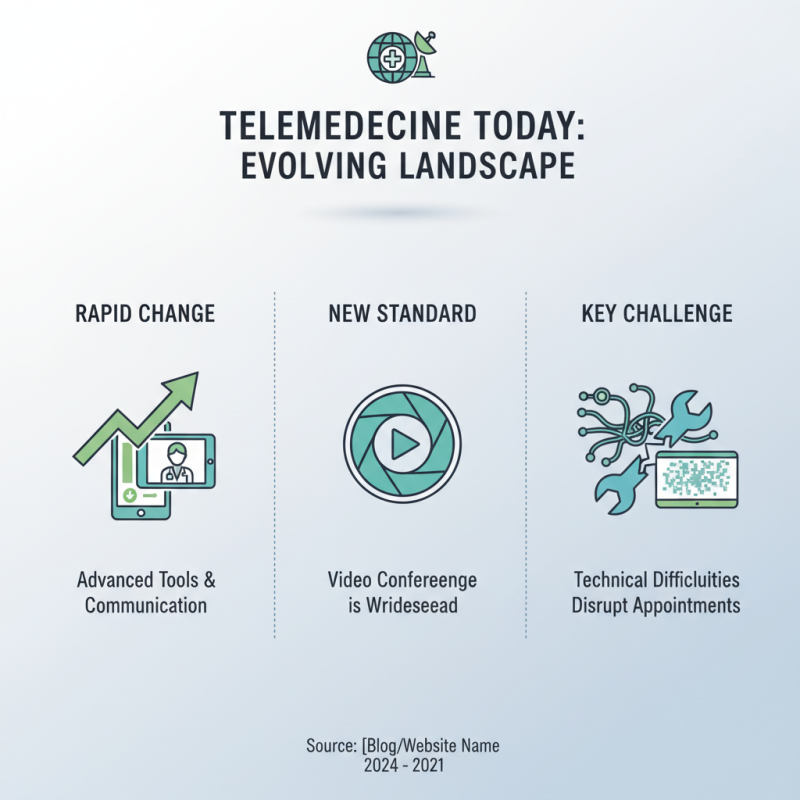
The landscape of telemedicine is rapidly changing. Healthcare providers now have access to advanced tools that enhance communication with patients. Video conferencing has become standard. Yet, many professionals still struggle with technical difficulties, which can disrupt critical appointments.
Mobile health applications are gaining traction. They allow patients to monitor their conditions in real-time. However, not all apps meet the desired standards. Usability can vary significantly. Some may lack essential features like secure data sharing, which is a major concern.
Remote monitoring devices are also on the rise. These gadgets help track vital signs from home. They can be lifesaving for patients with chronic illnesses. Still, the integration with healthcare systems often fails. Data silos hinder seamless patient care. More effort is needed in bridging these gaps.
©2026Infinium Medical
Adding {{itemName}} to cart
Added {{itemName}} to cart