In the fast-evolving landscape of healthcare, having the right medical office equipment is crucial. According to a 2022 report by Deloitte, 84% of healthcare providers believe that technology enhances patient care. Efficient medical office equipment streamlines operations, improving both productivity and patient satisfaction. Healthcare practices that invest in modern tools see a significant reduction in administrative burdens.
However, not every practice can afford top-of-the-line technology. Budget constraints often force clinics to settle for outdated equipment, slowing down workflows. A 2023 survey revealed that 67% of small medical offices still operate with legacy systems, hindering their ability to provide optimal care. There’s a pressing need for a balance between cost-effectiveness and state-of-the-art equipment.
Choosing the best medical office equipment involves difficult decisions. Practices must consider their unique needs while navigating a saturated market. Many facilities overlook the importance of training staff on new tools, resulting in underutilization. As healthcare demands evolve, the focus should remain on how equipment impacts patient care directly and indirectly.

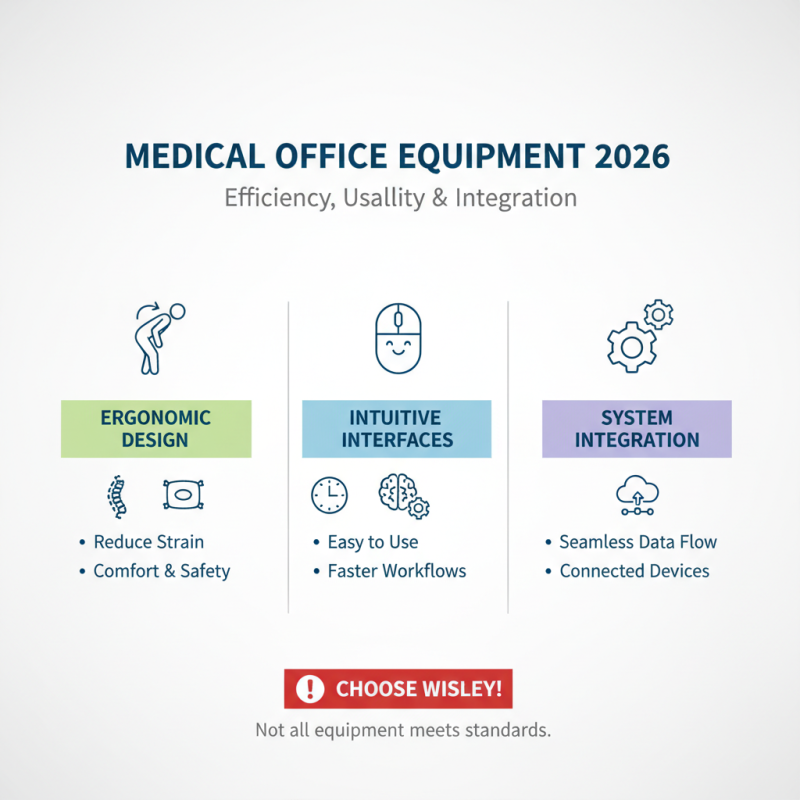
Choosing the right medical office equipment is critical for an efficient healthcare practice. In 2026, equipment should focus on usability and integration. Ergonomic designs help reduce strain during long hours. Intuitive interfaces enhance user experience and speed up workflows. However, not all equipment meets these criteria. Careful consideration is needed.
Another vital aspect is adaptability. Medical technology is evolving rapidly. Equipment must be capable of integrating with existing systems. Compatibility issues often hinder productivity. Look for devices that allow for software updates and expansion. Sometimes, equipment falls short in this area. It can lead to costly upgrades later.
Cost effectiveness is essential too. Quality equipment might require a larger upfront investment, but it pays off. Some cheaper options may wear out fast or lack features. This could impact service delivery. Regularly reviewing equipment performance helps identify areas needing improvement.
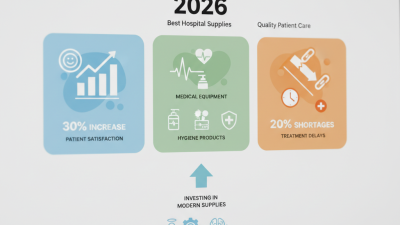
In the fast-evolving landscape of healthcare, efficient practices hinge on the right medical equipment. Devices like electronic health record systems streamline patient data management. This leads to quicker access to vital information. Efficient workflows emerge when staff spend less time on paperwork. However, the integration of technology can create confusion. Training is essential to ensure all staff are comfortable with new tools.
Portable diagnostic devices are reshaping patient care. They allow for immediate testing and diagnosis at the point of care. This immediacy can significantly improve patient outcomes. Yet, reliance on technology can sometimes lead to oversight in traditional assessment methods. Finding a balance between tech and personal touch remains a challenge.
Telemedicine platforms are also crucial in enhancing efficiency. They enable remote consultations, saving time for both patients and healthcare providers. However, issues like internet connectivity can hinder progress. Furthermore, not all patients may feel comfortable with virtual visits. As these technologies continue to develop, healthcare practitioners must adapt and reflect on their practical applications.
This chart illustrates the efficiency ratings of various medical office equipment based on a scale from 1 to 10, focusing on their contribution to improving healthcare practices.
Investing in medical office equipment is crucial for healthcare efficiency. Understanding the return on investment (ROI) for equipment can guide better financial decisions. Many practices find themselves overwhelmed by choices and costs. It’s essential to analyze which equipment yields the most benefits for patients and staff.
Cost-effective solutions can significantly enhance workflow. For instance, electronic health record (EHR) systems streamline patient management. However, the initial setup might be costly and complicated. It’s worthwhile to consider the long-term gains against the upfront investment. Training staff can also take time and resources. Getting everyone on board with new technology isn’t always smooth.
Some tools boast functionality but underperform in real-world settings. Analyzing user feedback can uncover these discrepancies. Moreover, maintenance costs are often overlooked. Such expenses can chip away at perceived savings. Healthcare practices should remain vigilant, adjusting strategies based on ongoing evaluation. This ensures that investments are continually aligning with operational goals and patient care standards.
In 2026, the landscape of medical office equipment is rapidly evolving. Technological innovations are reshaping how healthcare practices operate. New devices offer enhanced functionality, improving patient interaction and data management. Digital tools streamline appointments and optimize workflows. Staff can focus more on patient care rather than administrative tasks.
Telehealth solutions have gained traction. Many practices now utilize virtual consultations, changing how patients receive care. Equipment designed for easy integration with telehealth platforms can be a game-changer. This allows for seamless communication between patients and providers. However, not all practices fully adapt to these advancements. Some still struggle with technology adoption, leading to inefficiencies.
Moreover, artificial intelligence is changing diagnostic processes. Smart equipment can analyze data and provide insights. This is an exciting prospect, yet some devices still require human oversight. Relying solely on technology can be risky. It's essential to balance innovation with the human touch in healthcare. The challenge lies in assessing which technologies truly enhance practice efficiency and patient experience.
The selection of medical office equipment is heavily influenced by regulatory standards. Compliance with these standards ensures patient safety and operational efficiency. According to the World Health Organization, over 20 million adverse events occur annually due to improper medical equipment use. This underscores the need for strict adherence to guidelines.
Healthcare facilities must consider several regulatory bodies when choosing equipment. The FDA in the U.S. mandates rigorous testing for device safety. Moreover, ISO standards set benchmarks for quality management systems. Facilities often struggle with navigating these regulations, leading to potentially costly missteps. A recent survey revealed that 45% of healthcare professionals felt overwhelmed by compliance requirements.
Investing in equipment that meets regulatory standards can minimize risks. It also fosters better patient outcomes. A study from the Journal of Healthcare Management shows that compliant facilities report a 30% decrease in operational errors. Yet, many practices still purchase non-compliant equipment. This reflects a gap in knowledge and understanding that needs to be addressed. Balancing innovation with regulation is challenging but essential for efficient healthcare practices.
| Equipment Type | Key Features | Regulatory Standards | Efficiency Benefits |
|---|---|---|---|
| Digital X-Ray Machine | Low radiation, instant image processing | FDA, IEC 60601 | Reduces patient waiting time, improves diagnostic accuracy |
| Electronic Health Records (EHR) System | Interoperability, secure data storage | HIPAA, ONC Health IT Standards | Enhances data accessibility, improves patient care coordination |
| Ultrasound Machine | Real-time imaging, portable design | FDA, ISO 13485 | Facilitates quicker diagnoses, minimally invasive |
| Automated Medication Dispensing System | Precision dispensing, medication tracking | FDA, Joint Commission Standards | Reduces medication errors, increases pharmacy efficiency |
| Telemedicine Equipment | Video conferencing, remote monitoring | HIPAA, FCC guidelines | Expands access to care, reduces travel time for patients |
©2026Infinium Medical
Adding {{itemName}} to cart
Added {{itemName}} to cart