10 Best Medical Supplies You Need for Optimal Health and Safety?
In today's fast-paced world, having the right medical supplies is essential for maintaining optimal health and safety. Whether at home or on the go, these supplies can make a significant difference in emergencies and daily wellness. It’s essential to assess what we really need for our unique situations.
Imagine having a first aid kit ready for a minor cut or knowing how to monitor vital signs effectively. Each item plays a role in ensuring we remain proactive about our health. It’s easy to overlook essential items, leading to gaps in our preparedness. Many people might think they don’t need certain medical supplies until an emergency strikes. This mindset can create unnecessary risks.
Recognizing the importance of medical supplies urges us to reflect on our readiness. We may have the basics, but do we have everything for our specific needs? Are we truly prepared? These questions prompt us to take action. Having the right supplies means peace of mind. Prioritizing health through proper preparation is a step we can all take.
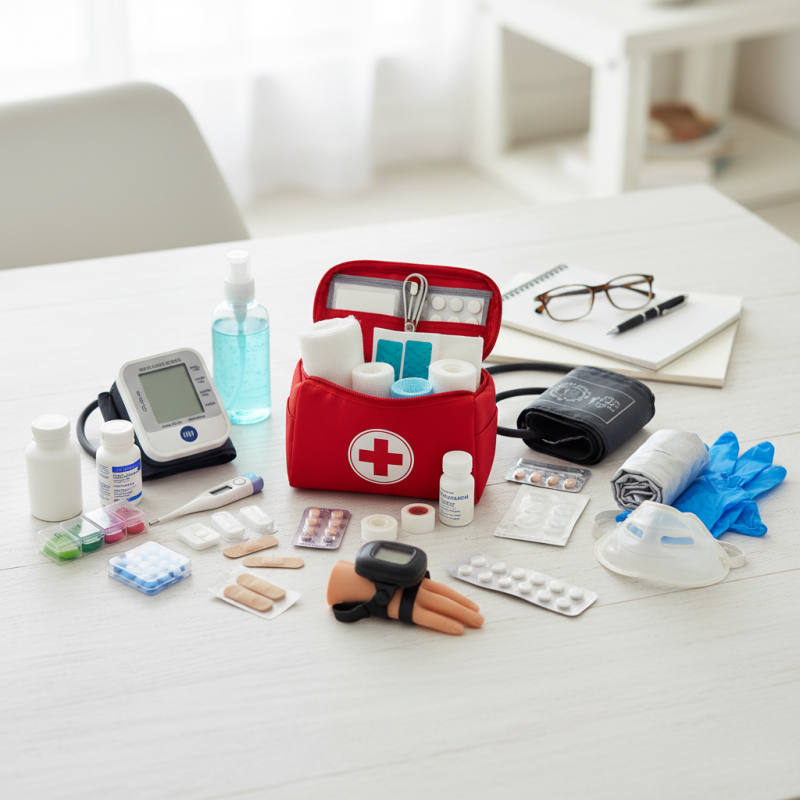
Essential First Aid Supplies for Home Safety and Emergency Readiness
When it comes to home safety, having essential first aid supplies is vital. A basic first aid kit should include adhesive bandages, gauze pads, and antiseptic wipes. These items can help treat cuts and scrapes efficiently. Consider adding tweezers for splinter removal or small scissors for cutting bandages. Having these supplies ready can ease minor injuries without unnecessary delays.
In addition to a standard kit, it's wise to include pain relievers and allergy medications. This addition can prove important during unforeseen emergencies. Ensure your kit has a digital thermometer as well. It’s a useful tool for monitoring fever, especially in children. While it’s easy to overlook, checking expiration dates on supplies is crucial. Items like ointments and medications can lose effectiveness over time.
Lastly, consider personalizing your kit based on individual needs. If someone in your home has specific allergies, include relevant medications. Consider even a small guide on first aid procedures. It’s not always easy to stay prepared. Sometimes, even the best intentions can lead to oversights. Reflect on what you currently have and what you may need to include.
10 Best Medical Supplies for Optimal Health and Safety
This chart illustrates the importance of essential first aid supplies for home safety and emergency readiness. Each supply is evaluated based on its effectiveness, availability, and cost, allowing you to understand which items are vital for maintaining your health and safety.
Must-Have Personal Protective Equipment for Health Workers and Caregivers
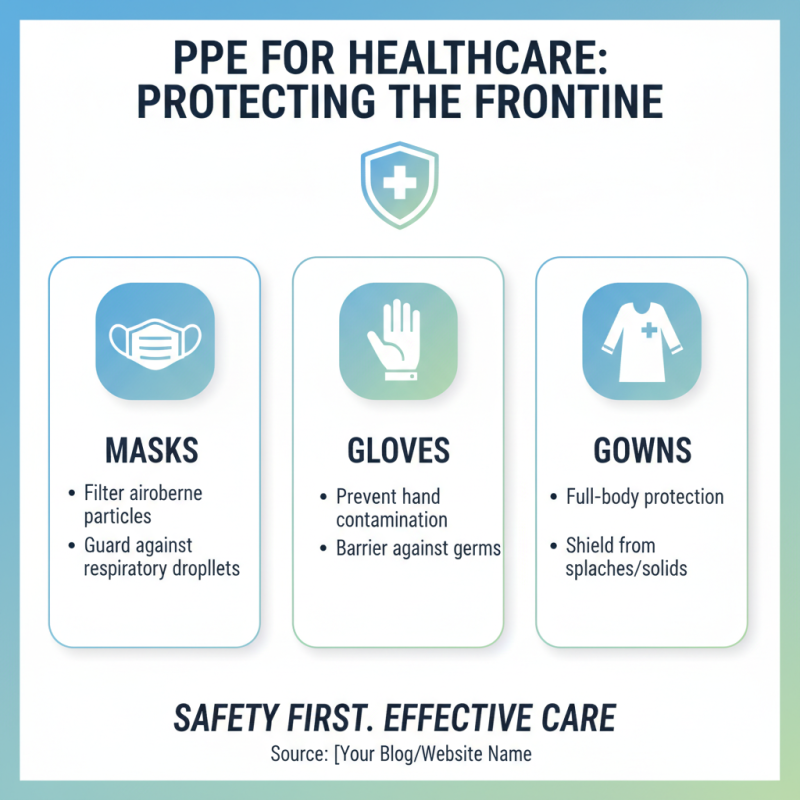
In today's healthcare landscape, personal protective equipment (PPE) is essential for health workers and caregivers. Without proper gear, risks increase significantly. Masks, gloves, and gowns are fundamental. They guard against infections and contaminants. Health workers must prioritize their own safety to provide effective care.
When selecting PPE, it’s vital to consider the specific environment. Different tasks require varied levels of protection. For instance, basic masks may suffice for general care, while N95 respirators are necessary for high-risk situations. Always assess the need based on the task at hand.
Tip: Regular training on proper PPE usage can enhance safety. Many health workers struggle with its correct application. Practice proper removal techniques to avoid cross-contamination. Reflect on any past experiences where PPE might have fallen short. Are there improvements that can be made? Finding solutions can save lives.
Recommended Health Monitoring Devices for Daily Wellness Tracking
In today's fast-paced world, monitoring your health has never been more essential. There are many health monitoring devices to choose from. These tools can help you track important metrics, providing valuable insights into your well-being. A simple fitness tracker is a great start. It can count your steps, track your sleep, and help you understand your activity levels.
Another useful device is a blood pressure monitor. High or low blood pressure can lead to serious issues. Regular monitoring at home helps you stay informed. Additionally, a digital thermometer can quickly check for fevers. This is especially helpful if you have children. For overall wellness, consider a smart scale. It tracks weight, BMI, and even body fat. Keeping tabs on these numbers can motivate you to focus on your health.
While these devices are beneficial, they are not foolproof. Many people rely solely on technology for health insights. It's essential to maintain a balance. Engaging with health professionals is crucial. Regular check-ups can offer a more comprehensive view of your health. So, use technology wisely and remember that self-awareness is key.
Key Medical Supplies for Managing Chronic Conditions Effectively
Managing chronic conditions demands reliable medical supplies. According to a report by
the World Health Organization, chronic diseases account for
71% of global deaths each year. Essential supplies help in effective management
and improve quality of life.
Blood pressure monitors, for example, are crucial for those with hypertension. Regular monitoring can
prevent serious complications. A study indicated that consistent tracking led to a 50% reduction in stroke risk. Simply having a device at home empowers patients to take control of their health.
Additionally, glucose meters are vital for diabetes management. They facilitate daily checks, allowing timely interventions. The American Diabetes Association reported that patients using these devices effectively manage their blood sugar levels. However, not everyone frequently uses them. This inconsistency can lead to health setbacks. Encouraging regular usage is essential in promoting better health outcomes for those living with chronic conditions.
Basic Hygiene Products for Preventing Infections and Promoting Health
Maintaining good hygiene is essential for preventing infections and promoting overall health. Basic hygiene products play a vital role in our daily lives. Hand sanitizers are a must-have. They can effectively kill germs when soap and water aren't available. Carrying a portable bottle is a simple yet effective practice.
Another important item is antibacterial wipes. They are handy for cleaning surfaces and personal items. Use them on doorknobs, phones, and shopping carts. Disinfecting these areas can reduce the spread of germs. Additionally, wearing masks in crowded places remains a practical choice. It helps to protect both yourself and others from airborne pathogens.
Regularly washing your hands is key but often overlooked. Many people forget to scrub properly. The CDC recommends washing for at least 20 seconds. In busy moments, we might rush and skip this step. Remember, taking time for cleanliness can significantly impact health. It’s not just about having the products but using them effectively and consistently.