How to Choose the Best Medical Instruments for Your Needs?
Choosing the right medical instruments is crucial for healthcare success. The diversity of instruments can be overwhelming. However, understanding your specific needs can greatly simplify this process.
Medical instruments come in many forms, from diagnostic tools to surgical equipment. It's important to consider factors such as quality, reliability, and functionality. Always look for instruments that meet regulatory standards. This ensures they can perform effectively in a real-world environment.
Don’t underestimate the impact of experience. Engaging with professionals who use these instruments daily can provide invaluable insights. They can highlight what works and what doesn’t. Trustworthy recommendations can save you time and expand your options. Recognizing the nuances in instrument selection can lead to better patient outcomes and operational efficiency.
Understanding the Different Types of Medical Instruments Available
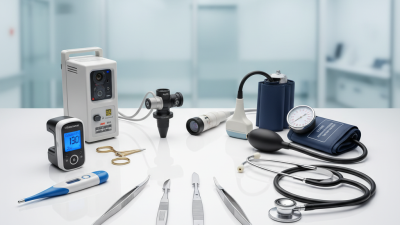
When selecting medical instruments, it's crucial to understand the different types available. Instruments can be categorized into diagnostic, therapeutic, and surgical tools. Diagnostic instruments, like stethoscopes and sphygmomanometers, help healthcare professionals assess patient conditions. They are essential for accurate diagnoses but can require thorough training for proper use.
Therapeutic instruments are designed for treatment. Items such as nebulizers and infusion pumps aid in delivering medication or therapy. They are typically more complex and require consistent maintenance. Without careful handling, their effectiveness can diminish, leading to potential patient safety concerns.
Surgical instruments encompass a variety of tools, including scalpels and forceps. These require precision and should meet strict sterilization standards. However, the learning curve can be steep when it comes to mastering their use. Each instrument serves a specific function, and misusing them can lead to complications in procedures. Understanding these differences is crucial in making informed decisions for medical needs.
Identifying Your Specific Medical Needs and Requirements
Choosing the right medical instruments begins with understanding your specific needs. Different medical fields demand unique tools. For instance, surgical instruments differ significantly from diagnostic tools. Data shows that over 30% of healthcare professionals express dissatisfaction with their current instruments, emphasizing the need for personalized selections.
Assessing your specific medical requirements is crucial. Conduct a needs assessment to identify the procedures and conditions you frequently encounter. Reports indicate that tailored equipment can improve clinical outcomes by up to 25%. It’s also essential to evaluate the features of the instruments. For example, ergonomic designs can reduce practitioner fatigue, while high-precision tools enhance patient safety.
Finding reliable information is vital. Review peer-reviewed studies and seek expert opinions for each type of instrument. Trust is built through transparency and verified data. Ultimately, the right choice improves not just individual performance but contributes to better patient care. Reflect on past choices and consider areas for improvement, ensuring that each new purchase is informed by careful analysis.
Evaluating Quality and Performance Standards of Medical Instruments
When selecting medical instruments, evaluating quality and performance is vital. Different settings, whether surgical, diagnostic, or therapeutic, have unique requirements. It’s essential to understand the specific functions of each tool. Look for products that meet established performance standards. Certificates and compliance with regulations can indicate reliability. Pay attention to user reviews and expert opinions as they provide valuable insights into instrument efficacy.
Tips for evaluation include checking material quality. Stainless steel often exceeds plastic in durability. Consider weight and ergonomics, especially for handheld tools. Lightweight options reduce fatigue during prolonged use. Test the instruments if possible; feel their balance and ease of use. Ask colleagues about their experiences. Peer feedback often uncovers issues not evident from specifications alone.
Sometimes, imperfections arise. Instruments may not perform as expected under all conditions. Researching real-world performance helps in understanding these limitations. Be open to adjustments and alternative options if original choices fall short. Continuous learning and adjustment lead to improved patient care. The right instruments ultimately contribute to greater safety and efficiency in medical procedures.
Considering Budget Constraints and Cost-Effectiveness
When selecting medical instruments, budget constraints play a crucial role. Many healthcare facilities face financial limitations that impact purchasing decisions. High-quality instruments can be expensive, yet they are often necessary for optimal patient care. Finding a balance between cost and effectiveness is essential for any practice.
Consider the lifespan and durability of medical instruments. Less expensive options may save money initially, but can lead to higher costs over time due to replacements. Research shows that investing in reliable tools often results in improved efficiency and patient outcomes. It’s a real challenge to navigate this aspect, as cheaper instruments may not always meet clinical standards.
Reflect on your specific needs. Think about the types of procedures you perform and the instruments that best fit these. Prioritizing what you need can prevent unnecessary spending. Not every tool is essential for every practice. Making informed choices based on experience and expert recommendations can guide you in aligning your budget with your requirements.
How to Choose the Best Medical Instruments for Your Needs? - Considering Budget Constraints and Cost-Effectiveness
| Instrument Type |
Average Cost ($) |
Durability (Years) |
Cost-Effectiveness Rating (1-5) |
Maintenance Cost/Year ($) |
| Surgical Scalpel |
250 |
5 |
4 |
50 |
| Stethoscope |
100 |
7 |
5 |
20 |
| Thermometer |
30 |
3 |
3 |
5 |
| Blood Pressure Monitor |
150 |
5 |
4 |
30 |
| Glucometer |
75 |
4 |
4 |
15 |
Researching and Comparing Top Brands and Manufacturers in the Market
When selecting medical instruments, thorough research is crucial. Many practitioners rely on data from industry reports to make informed decisions. For instance, a 2022 report by the Medical Device Manufacturers Association indicates that nearly 70% of healthcare professionals prefer brands with established reputations. This reflects the importance of brand recognition in a field where safety is paramount.
Comparing various manufacturers is essential. Look for detailed specifications, warranty offers, and user reviews. According to a survey conducted by the Journal of Medical Instrumentation, 45% of users experienced dissatisfaction due to inadequate information. Manufacturers should provide comprehensive user manuals and responsive customer service. This transparency builds trust.
However, not all comparisons yield clear choices. Some instruments may excel in one area but fall short in others. A further analysis by the Health Industry Distributors Association shows that 30% of practitioners faced challenges in balancing cost and quality. It's vital to weigh these factors carefully and reflect on what's most important for your specific needs.
Comparison of Popular Medical Instruments by Features