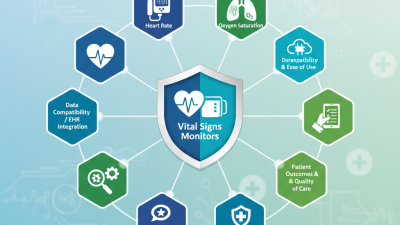
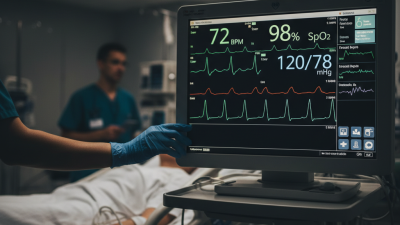
How to Choose the Best Patient Monitoring Devices for Your Needs?
Patient monitoring devices have become essential in modern healthcare. According to a report by MarketsandMarkets, the global patient monitoring market is projected to reach $38.4 billion by 2025, growing at a CAGR of 7.5%. This growth reflects the increasing demand for continuous monitoring and improved patient outcomes.
Choosing the right patient monitoring device involves understanding your unique needs. Each device varies significantly in features, capabilities, and functionalities. For instance, wearable devices can monitor heart rate, while advanced systems track multiple vital signs in real time. Clinicians rely on accurate data, making it critical to select devices that provide reliable readings.
However, not all devices are created equal. Some may lack essential tracking features or give inconsistent data. It’s crucial to evaluate options, keeping in mind the specific health conditions being monitored. Balancing technology integration and user experience can enhance patient care. As the industry evolves, staying informed about advances in patient monitoring is vital for making the best choices.
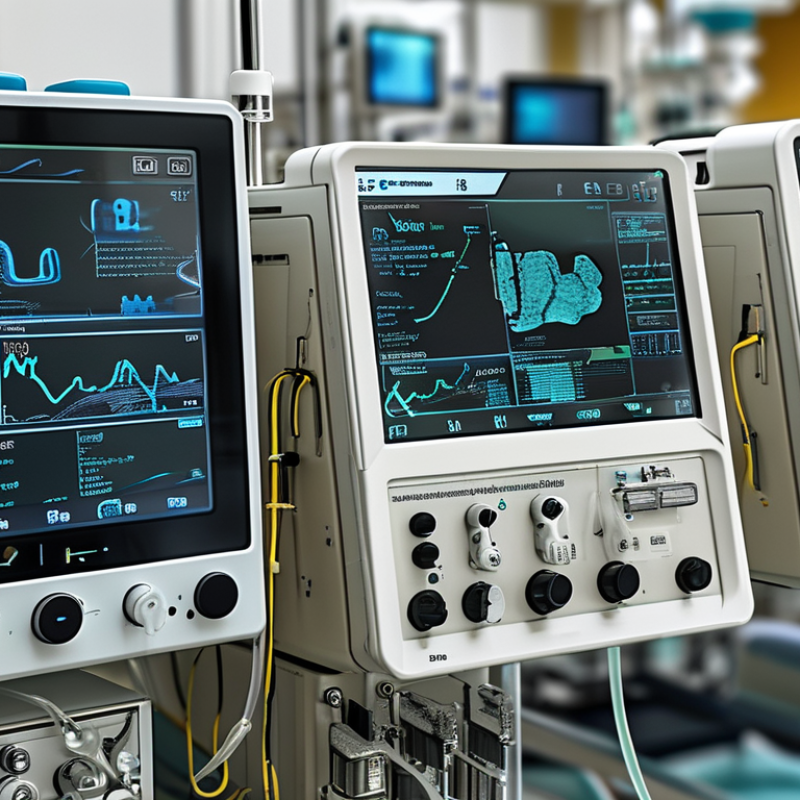
Understanding Different Types of Patient Monitoring Devices
Choosing the right patient monitoring devices is crucial for effective healthcare. Different types of monitoring devices serve various needs. For instance, vital signs monitors track essential metrics like heart rate and blood pressure. According to a report by MarketsandMarkets, the global health monitoring market is expected to grow at a CAGR of 27.6% by 2025. This underscores the increasing reliance on technology in patient care.
Wearable devices are gaining popularity for their convenience and real-time data collection. They can monitor physical activities, sleep patterns, and other health metrics. A study published in the Journal of Medical Internet Research highlights that 70% of patients prefer wearable devices for continuous monitoring. However, issues such as battery life and data privacy need consideration.
Telemonitoring devices provide remote care, especially for chronic illnesses. These tools allow healthcare providers to monitor patients without physical visits. Despite their benefits, a survey showed that 30% of patients find these technologies challenging to use. This indicates a gap that needs addressing to improve user experience and outcomes. Balancing technology with patient needs remains a critical challenge in the healthcare landscape.
How to Choose the Best Patient Monitoring Devices for Your Needs?
| Device Type |
Features |
Advantages |
Considerations |
| Heart Rate Monitor |
Real-time heart rate tracking, wireless connectivity |
Portable, easy to use, often features alarms |
Battery life, accuracy may vary |
| Blood Pressure Monitor |
Automatic inflation, digital display, memory storage |
User-friendly, provides quick readings |
Size of cuff, calibration requirements |
| Pulse Oximeter |
Measures oxygen saturation and heart rate |
Non-invasive, quick results, compact |
Not suitable for certain conditions (e.g., low blood flow) |
| ECG Monitor |
12-lead ECG, real-time monitoring, data storage |
Comprehensive heart health analysis |
Requires training to interpret results |
| Wearable Fitness Tracker |
Activity tracking, heart rate monitoring, sleep tracking |
Encourages healthy behavior, typically has a companion app |
Data accuracy may not be clinically validated |
Assessing Your Specific Health Monitoring Needs
Assessing your specific health monitoring needs is crucial in choosing the right patient monitoring devices. Many studies suggest that personalized monitoring can lead to better health outcomes. For instance, a report from the American Journal of Managed Care indicated that tailored monitoring can reduce hospital readmissions by up to 20%. This statistic underscores the importance of understanding your unique health conditions.
Consider factors like age, existing health issues, and lifestyle. These aspects influence what devices are most beneficial. Older adults may need devices that track heart rate and blood pressure continuously. Meanwhile, individuals with chronic illnesses might prioritize glucose or oxygen level monitors. Analyzing these needs helps in selecting the right device.
It’s essential to research available technologies. Some devices offer advanced features, but may not be necessary for everyone. A recent survey showed that nearly 30% of users felt overwhelmed by excessive features on their devices. Reflecting on what is genuinely useful can simplify this decision-making process and improve adherence to monitoring recommendations. Balancing advanced technology with usability is key in ensuring effective health monitoring.
Patient Monitoring Devices Usage Statistics
This chart displays the number of users for various patient monitoring devices, highlighting the most popular choices among individuals seeking health monitoring solutions.
Evaluating Features and Functions of Monitoring Devices
Choosing the right patient monitoring devices can be overwhelming. With various features available, understanding what suits your needs is crucial. Start by evaluating the key functions. Look for devices that track vital signs like heart rate, blood pressure, and oxygen levels. These basic metrics are fundamental for effective monitoring.
Tips: Before making a decision, consider your health conditions. Different needs may require specific functionalities. Some devices offer alerts for abnormal readings. This feature enhances safety, especially for at-risk patients. Assess how easy the device is to use. Complex interfaces can be challenging, especially in emergencies.
Compatibility with existing systems is also important. Devices should work seamlessly with electronic health records. Check for data sharing capabilities. This ensures timely updates for healthcare providers. Investing in patient monitoring is essential. However, remember that high-tech features aren't always necessary for everyone. Reflect on your specific requirements to avoid unnecessary costs. Make informed choices without rushing.
Considering Budget and Long-Term Costs
Choosing the right patient monitoring device is essential for effective healthcare. However, budget and long-term costs often shape decisions. It’s crucial to assess both initial expenses and ongoing maintenance. Devices may seem affordable upfront but can have hidden costs. These can include software updates and replacement parts.
Consider your specific needs. Are you monitoring vital signs daily or occasionally? Devices for chronic patients may require more frequent upgrades. Think about how technology evolves. A device that’s perfect today may be obsolete in a few years. Will you need training for staff? Factor in these costs.
Understand the total cost of ownership. This includes not just purchase price but also technician support and warranty. Can you afford a high-quality device that might save costs in the long run? Sometimes, cheap options lead to higher expenses later. Reflect on your priorities. Balancing quality against budget is tricky but necessary for effective patient care.
Researching Reputable Brands and User Reviews
When selecting patient monitoring devices, brand reputation matters. Trusted companies often invest in research and development. They provide reliable products backed by solid science. Researching these brands is crucial before a purchase. Look for markers of credibility, like certifications and awards. This can indicate the product's reliability and safety for use.
User reviews play a critical role in evaluating devices. Many users share their experiences, offering insights into performance and usability. Scanning through these reviews helps identify common issues. Pay attention to feedback about customer support and warranty services. If users consistently report difficulties, it might be a red flag. Consider the balance of good and bad reviews to form an informed opinion.
Sometimes, users may exaggerate their experiences. One negative review should not always deter you. However, patterns are important. If many users highlight similar problems, it’s worth considering. Take time to reflect on different perspectives. Don't rush your decision. Patient monitoring devices are an investment in health, and careful consideration is essential.