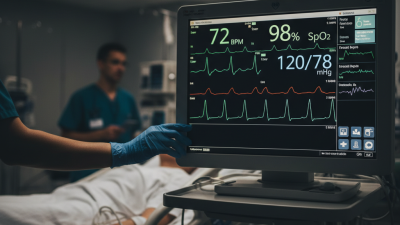
How to Choose the Best Vital Signs Monitor for Your Needs?
Choosing the right vital signs monitor is crucial for accurate health assessments. These devices measure essential indicators such as heart rate, blood pressure, and oxygen levels. With numerous options available, selecting one tailored to your needs can be overwhelming.
Understanding the key features of a vital signs monitor is essential. Look for accuracy, ease of use, and reliability. Each feature plays a significant role in ensuring proper health monitoring. It's also important to consider if you need portable options or more advanced systems for professional settings.
Evaluating your environment matters. Home monitoring differs from clinical usage. Reflect on your specific needs. Will you use it for personal health tracking or in a clinical setting? This reflection can guide your decision-making process. Consider seeking advice from healthcare professionals. Their expertise can offer invaluable insights, helping you navigate the variety of vital signs monitors available.
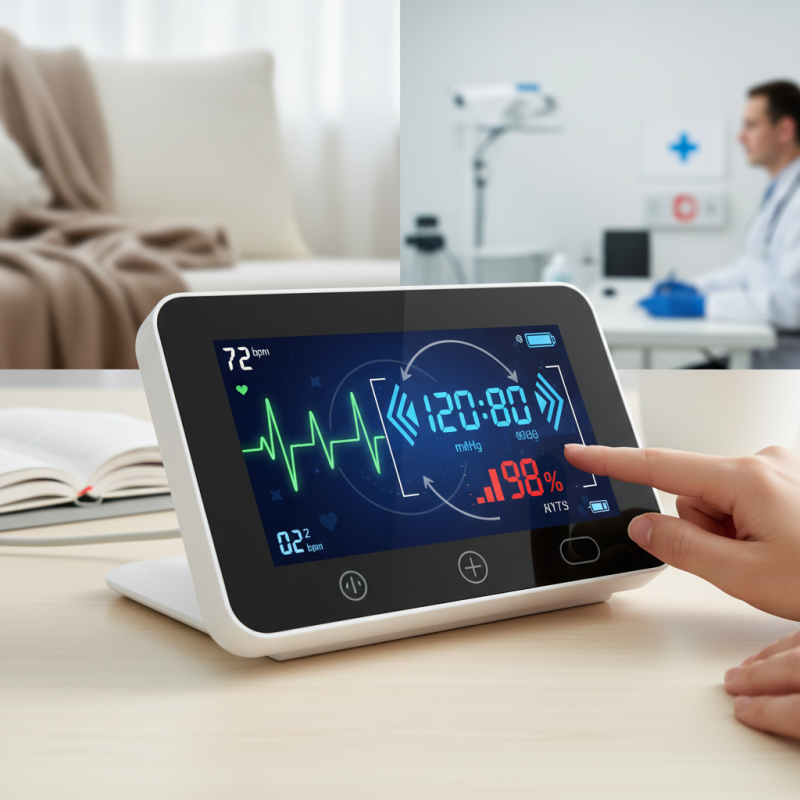
Understanding Vital Signs Monitors and Their Importance
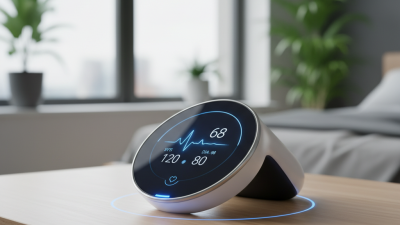
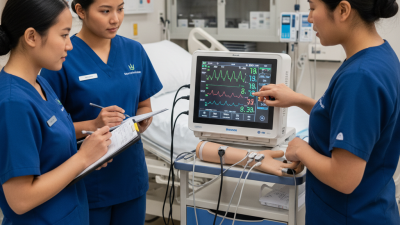
Vital signs monitors play a crucial role in healthcare. They provide real-time data about a patient's
heart rate,
blood pressure, and
oxygen saturation. These metrics are vital for assessing a patient’s health status and making timely medical decisions. For healthcare professionals, choosing the right monitor can significantly impact patient outcomes.
When selecting a vital signs monitor, consider the environment in which it will be used. For hospitals, a
multi-parameter monitor will often be necessary. In contrast, for home use, a simpler device may suffice.
Accuracy is key; ensure that the monitor is calibrated and tested regularly. Unreliable readings can lead to poor treatment decisions.
Tips: Always check if the monitor meets clinical guidelines. Examine user reviews for insights on its reliability. It may help to watch tutorials for ease of use. Remember, no device is perfect. Even the best monitors can have limitations, such as battery life or sensor accuracy. Regular maintenance and understanding these boundaries can enhance their effectiveness.
Key Features to Consider in a Vital Signs Monitor
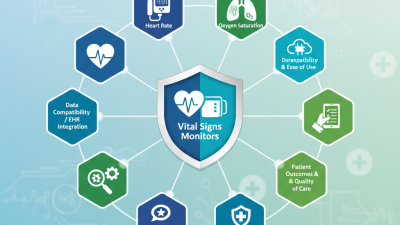
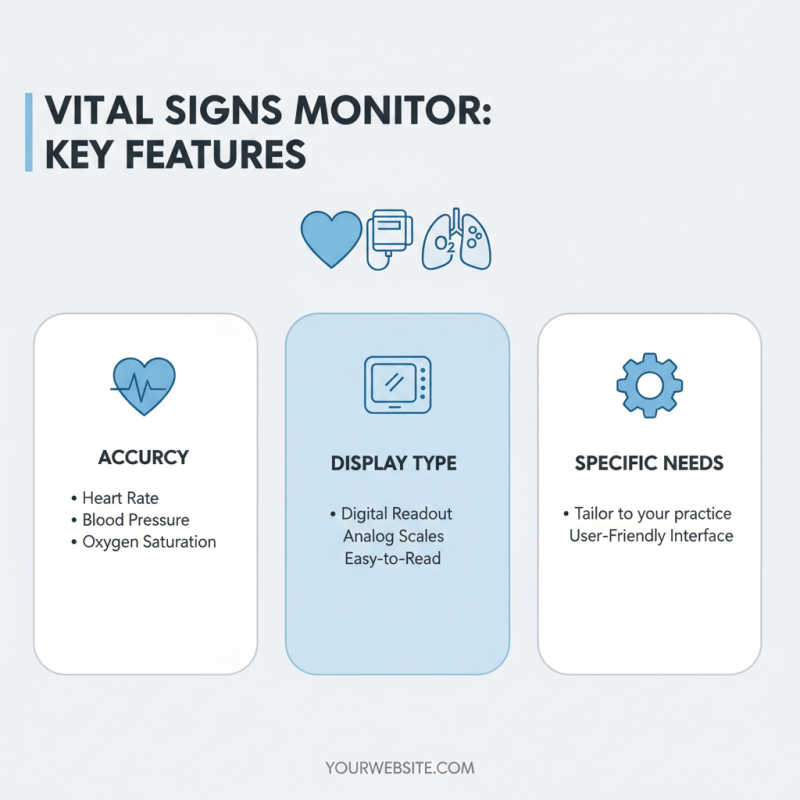
When selecting a vital signs monitor, it is essential to focus on key features that meet your specific needs. Look for accurate measurements of heart rate, blood pressure, and oxygen saturation. Different monitors offer various display features. Some provide digital readouts, while others may have analog scales. Choose one that suits your preferences and is easy to read.
The size and portability of the device matter as well. If monitoring on the go is essential for you, select a lightweight model. Battery life is another critical factor. Monitors with longer battery lives reduce interruptions during use. This is especially vital in emergency situations, where time is crucial.
Tips: Always check if the monitor connects to mobile apps or databases for better data tracking. This feature can improve the efficiency of your monitoring. Consider how often you will use it and whether it aligns with your routine. Test the device before committing, as user-friendliness is crucial. Ultimately, invest your time in researching different models and their features to avoid regret later.
Types of Vital Signs Monitors Available on the Market
When selecting a vital signs monitor, it’s essential to understand the types available on the market. There are several key categories, each suited to different clinical environments. The most common types include handheld monitors, bedside monitors, and portable monitors. According to a report by Grand View Research, the global vital signs monitoring market is expected to reach $3.6 billion by 2025, highlighting the increasing demand for diverse monitoring solutions.
Handheld monitors are compact and ideal for quick assessments in emergency situations. They provide immediate data on heart rate, temperature, and blood pressure. Bedside monitors are more extensive, integrating advanced features like ECG and continuous oxygen saturation monitoring. They are essential in hospitals for intensive care units. Meanwhile, portable monitors are used in home care settings, allowing for easy tracking of vital signs outside of hospital environments. The flexibility of these devices accommodates various patient needs.
However, not all monitors are created equal. Some may lack specific features essential for certain patient conditions. Moreover, the accuracy of readings can vary significantly. A study published in the Journal of Clinical Monitoring reported that some devices showed discrepancies in continuous readings. It’s crucial to evaluate the specific needs of patients and to consider the environment in which the monitor will be used. This diligence ensures that healthcare providers make informed choices.
Bar Chart: Types of Vital Signs Monitors Available on the Market
This chart illustrates the distribution of various types of vital signs monitors available in the market based on their popularity and features. The data reflects the proportion of each type based on user preferences and industry trends.
Assessing Your Specific Needs for Monitoring Vital Signs
Choosing the right vital signs monitor requires understanding your specific monitoring needs. Consider the setting where the monitor will be used. A hospital environment may need more advanced features, while home use might prioritize simplicity and portability. Think about the vital signs that matter most to you. Do you need to track heart rate, blood pressure, oxygen saturation, or temperature? Knowing this will guide your choice.
Tips: Always evaluate the ease of use. Monitors should be user-friendly, especially for home users. Additionally, check for the display clarity. A bright, easy-to-read screen is essential for quick results. Battery life is another factor—ensure the monitor lasts through your typical usage periods without interruption.
Also consider connectivity options. Some monitors offer data sharing with mobile devices or healthcare providers. This feature can enhance the monitoring experience. If you find multiple models appealing, make a list of pros and cons. Reflect on how well each option aligns with your needs and lifestyle. Opting for a versatile model might save you from future frustration.
Budget Considerations When Choosing a Vital Signs Monitor
When selecting a vital signs monitor, budget plays a crucial role. A more expensive model may offer advanced features, but you should consider your actual needs. Assessing the features that are essential for your healthcare setting is key. High-quality monitors can be found at various price points, so research is vital. It’s not always about finding the cheapest option. Sometimes, a slightly higher cost equates to better reliability and accuracy.
Understand your priorities. Do you need portable units for home care or stationary monitors for a clinic? Portability often comes at a premium. Consider the long-term investment as well. A monitor that is more durable might save costs on repairs or replacements. Avoid overspending on features that won't be utilized. Striking the right balance between cost and functionality is both challenging and necessary.
While budget constraints are real, it’s important to acknowledge that cutting corners can lead to dissatisfaction. If the monitor fails when needed, the cost can be far greater. Look for models that offer warranties, indicating commitment to quality. Always weigh your options carefully, and if possible, consult experts in healthcare technology. They can offer insights that save you both time and money in the long run.
How to Choose the Best Vital Signs Monitor for Your Needs? - Budget Considerations When Choosing a Vital Signs Monitor
| Feature |
Description |
Budget Range |
| Pulse Oximetry |
Measures blood oxygen saturation levels. |
$30 - $300 |
| Blood Pressure Monitoring |
Monitors and records blood pressure readings. |
$50 - $500 |
| Heart Rate Monitoring |
Tracks heart rate and rhythm. |
$20 - $200 |
| Temperature Measurement |
Measures body temperature, typically via infrared. |
$10 - $150 |
| Multi-parameter Monitoring |
Combines multiple vital sign measurements. |
$100 - $2000 |