2026 How to Choose the Right Patient Monitoring Devices for Your Needs
Choosing the right patient monitoring devices can feel overwhelming. With numerous options available, it’s essential to understand your specific needs. Each device offers unique features that can significantly impact patient care.
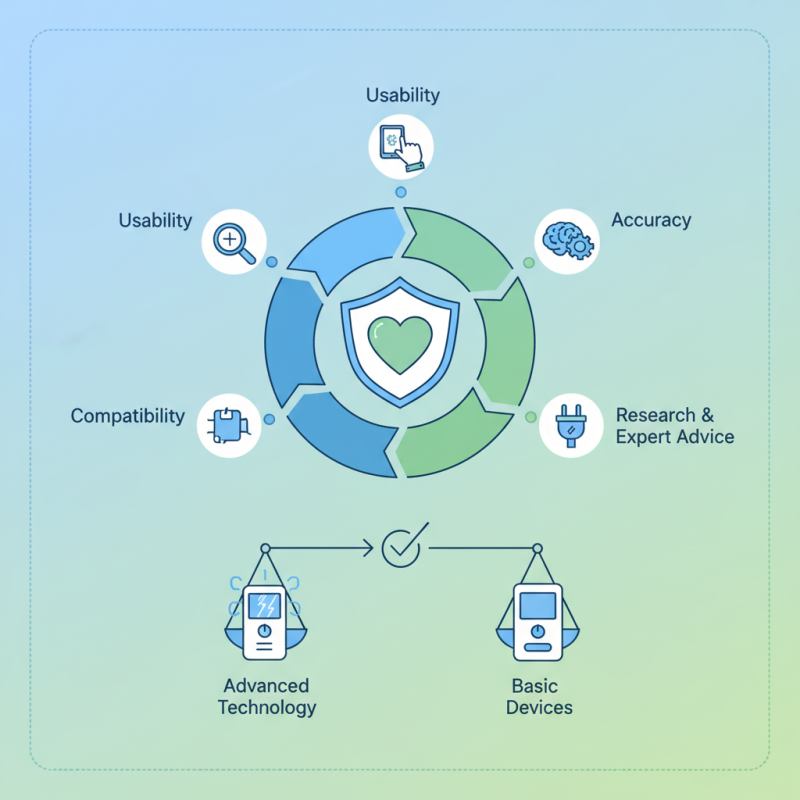
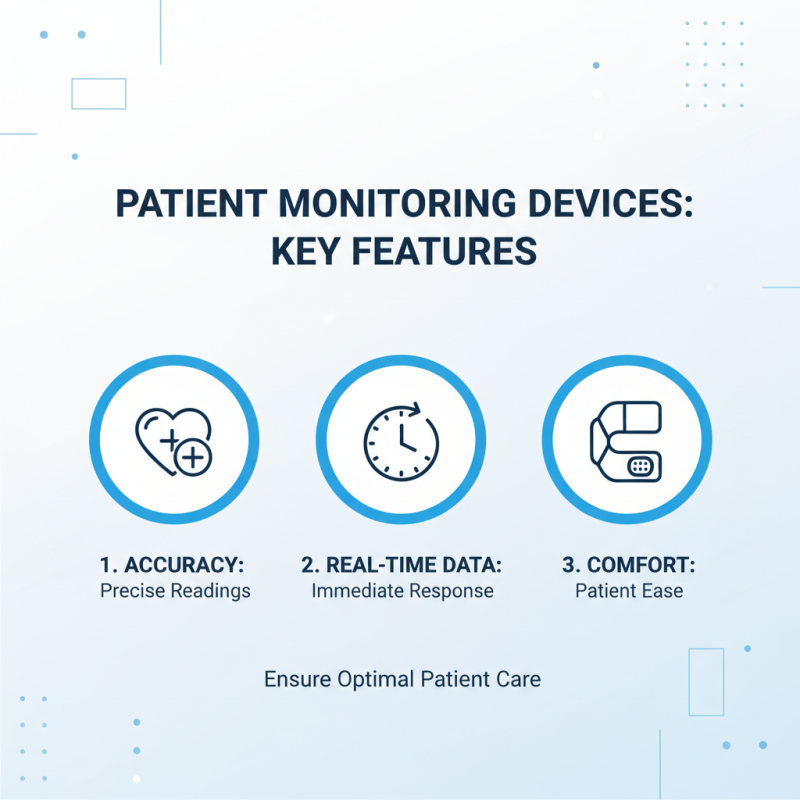
Consider factors like usability, accuracy, and compatibility. A well-chosen device can enhance monitoring efficiency for healthcare professionals. However, some devices may lack user-friendliness or accuracy. It’s crucial to evaluate all these aspects before making a decision.
Take time to research and seek expert advice. You might find yourself drawn to advanced technology, but basic devices can sometimes meet needs better. The right patient monitoring devices should be a balance of innovation and practicality.
Understanding Patient Monitoring Devices: An Overview
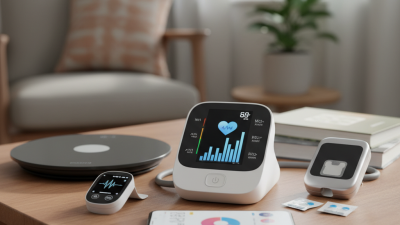
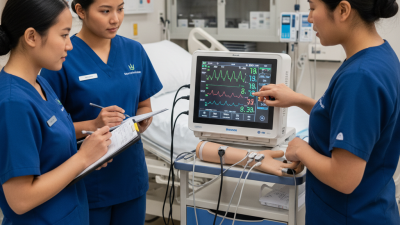
Patient monitoring devices play a crucial role in healthcare. They help track vital signs like heart rate, blood pressure, and oxygen levels. These devices come in various forms, from handheld gadgets to complex hospital systems. Each type offers different features and benefits. Understanding these options is important for making the right choices.
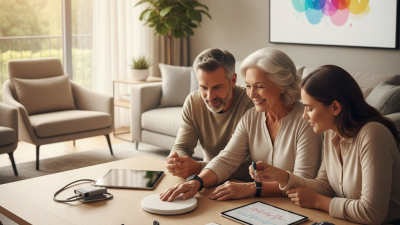
When selecting a patient monitoring device, consider your specific needs. Think about the conditions you need to monitor and the environment where the device will be used. Some devices are portable, making them ideal for home use. Others are designed for hospitals, offering advanced analytics. Do you prioritize ease of use or comprehensive data?
Not all devices fit every situation. Some may require technical knowledge or have limitations. Assessing the trade-offs is essential. Sometimes, simpler devices may provide the necessary data without overwhelming complexity. Investigate which features are essential and which are not. Reflect on past experiences to avoid common pitfalls.
Assessing Your Specific Healthcare Needs for Monitoring
Choosing the right patient monitoring devices requires a deep understanding of individual healthcare needs. According to a report by
Global Market Insights, the patient monitoring market is projected to reach $29 billion by 2027, indicating a growing interest in personalized healthcare solutions.
This trend underscores the importance of assessing specific requirements before making a decision.
Consider your health condition. Are you managing a chronic illness, or do you need occasional monitoring? Reports show that 75% of adults between
45-64 have at least one chronic condition. This statistic highlights how crucial it is to select devices that cater to unique health situations.
Devices should provide relevant data, and not all will meet every patient’s need. Think about functionality and ease of use, which can impact your adherence to monitoring schedules.
In addition to health conditions, environmental factors play a role. For instance, consider whether you travel frequently or live in an area with limited healthcare access.
A survey from the Health Information Technology Research Center revealed that 42% of patients experience barriers to accessing healthcare services.
This gap shows the necessity for devices that can operate effectively in various settings.
Each individual’s journey is different, and the perfect device may still lack features that fit your lifestyle.
Reflecting on these points is often overlooked in the decision-making process.
Comparing Different Types of Patient Monitoring Technologies
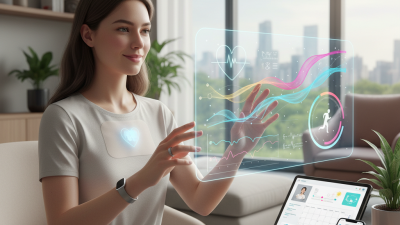
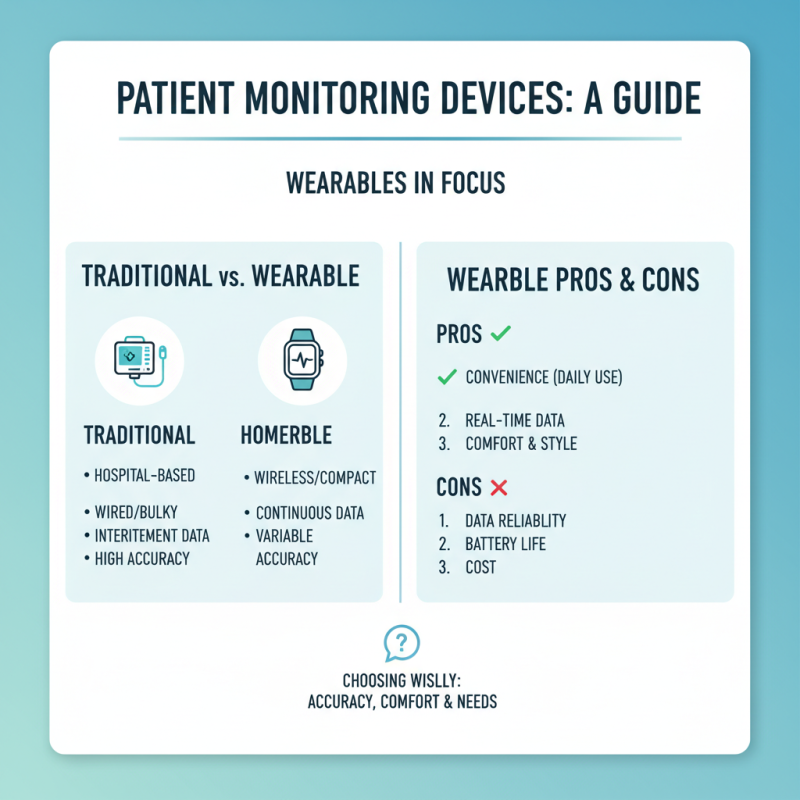
Choosing the right patient monitoring devices can be daunting. Various technologies exist, each with unique features. Among these, wearable devices are gaining popularity. They track vital signs continuously, offering real-time data. Patients often find them convenient for daily use. However, comfort and style may influence adherence. Not all wearables deliver accurate data, which raises concerns.
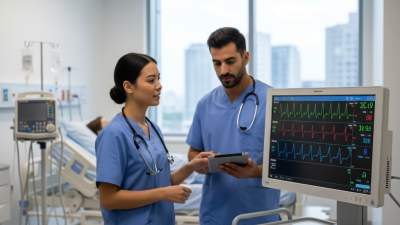
Another category includes stationary systems used in hospitals. These systems provide comprehensive monitoring and integration with medical staff. They usually have larger displays and more complex interfaces. Yet, they can be intimidating for patients. The setup requires technical knowledge, which some caregivers may lack. This complexity can impact patient trust and engagement.
Telehealth solutions have emerged, allowing remote monitoring. They enable healthcare providers to track patients from home. This can improve access to care. However, internet connectivity remains a challenge. Not every patient has reliable access, creating disparities. Additionally, the interface might not be user-friendly for everyone. All these factors must be considered when choosing the right device.
Best Practices for Implementing Patient Monitoring Solutions
Implementing effective patient monitoring solutions requires careful planning. Start by assessing specific needs. Consider the type of patients being monitored. Different conditions demand different approaches. For example, chronic illnesses may need continuous monitoring. On the other hand, postoperative care might focus on vital signs for a short period.
Training staff is crucial. Everyone involved must understand how to use the devices. A lack of knowledge can lead to mistakes. Regular training sessions can help build confidence. Moreover, involve all departments in the decision-making process. They can provide valuable insights. Collaboration fosters ownership and reduces resistance to change.
Also, keep patient comfort in mind. Devices should be non-invasive whenever possible. This reduces anxiety and improves the overall experience. Monitor feedback from patients and staff. Sometimes what seemed perfect on paper may not work in practice. Stay open to adjustments based on real-world usage. Regular reviews can enhance performance and effectiveness.
Patient Monitoring Devices Usage Statistics (2023)