Choosing medical office equipment is a practical decision with long-term effects on care, safety, and daily workflow. A clinic may need examination tables, vital-sign monitors, diagnostic tools, sterilization units, storage systems, and accessible furniture. Each item should support a real clinical task, not merely look impressive in a showroom.
Function matters most.
Buyers should examine accuracy, durability, cleaning requirements, warranty coverage, training, and service response times. A reliable blood pressure monitor can protect a patient from poor decisions. An adjustable examination table can reduce strain for both patients and staff. Clear storage can prevent delays when every second feels important. However, a high price does not automatically prove quality. Neither does a polished product brochure.
Dr. Atul Gawande, a surgeon and health-systems researcher, wrote, “Better is possible. It does not require genius. It requires diligence.” That idea fits medical office equipment purchasing. Better results often come from careful measurements, staff feedback, and honest maintenance planning. Buyers should ask whether equipment fits the room, the patient population, and the team’s actual experience. They should also consider accessibility, infection-control procedures, replacement parts, and future upgrades.
No checklist is perfect.
A small clinic may value mobility, while a busy outpatient center may prioritize speed and standardization. Some equipment appears efficient but creates hidden cleaning or training burdens. This guide explains what medical office equipment includes, how buyers can compare options, and which questions deserve attention before purchase. The goal is not to recommend the most expensive solution. It is to help clinics choose equipment that remains safe, useful, and dependable after installation.
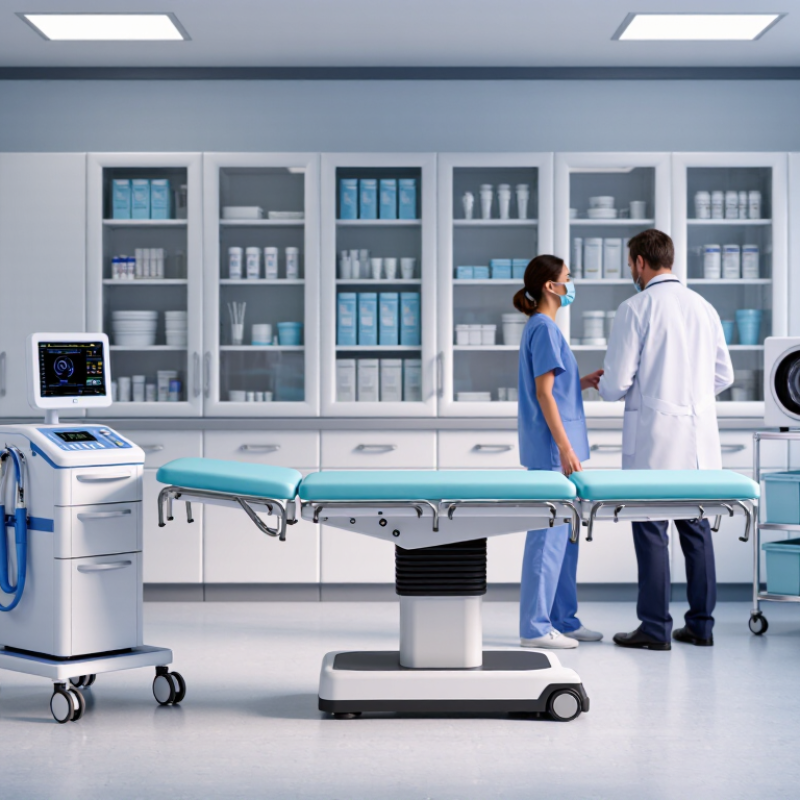
Medical office equipment includes the tools used to examine, treat, monitor, and support patients. It ranges from examination tables and diagnostic lights to blood pressure monitors, scales, sterilization units, and emergency supplies. Computers and label printers also belong in this category when they support patient care. The boundary is not always neat. A reliable chair can affect safety as much as a diagnostic device.
In daily practice, buyers should connect each item to a clear workflow. A nurse may need a vital-sign monitor beside the examination table. Staff may require sealed storage for sterile instruments and a marked area for used supplies. The WHO Global Report on Infection Prevention and Control states that seven in 100 patients in high-income countries acquire at least one healthcare-associated infection in acute care. Medical offices differ from hospitals, but the risk supports careful cleaning, storage, and maintenance. ECRI’s 2024 health technology safety guidance also highlights device failures, alarm problems, and poor usability as recurring concerns. More features do not always mean better care.
Tips: Measure the room before ordering. Check electrical outlets, door widths, cleaning compatibility, warranty terms, and staff training needs. Ask whether the equipment can be serviced locally. Keep written inspection records. A cheaper device may create higher costs through downtime. I have seen purchasing plans focus on price while ignoring storage space and workflow. That mistake is easy to repeat.
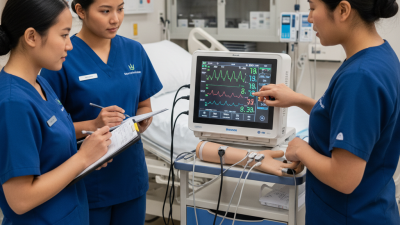
Medical office equipment includes the practical tools used to examine, monitor, treat, and protect patients. Examination tables support routine consultations and minor procedures. Adjustable stools and provider chairs help clinicians maintain safer working positions. Diagnostic equipment may include blood pressure monitors, thermometers, pulse oximeters, scales, otoscopes, and examination lights.
Some offices also need electrocardiogram devices, spirometers, point-of-care testing systems, and mobile ultrasound equipment. The right selection depends on patient needs, room size, staff training, and service capabilities. Sterilization equipment, sharps containers, glove dispensers, and clinical waste bins support safer daily workflows. Computers, label printers, locked storage, and reliable power protection also matter. I have seen small rooms become inefficient because equipment was purchased before measuring doorways and electrical outlets. That mistake is easy to repeat.
Tips: Measure the room first. Check cleaning requirements. Confirm calibration support and warranty terms. Ask whether staff can use the equipment confidently. A low purchase price may hide training, maintenance, or replacement costs. Keep emergency supplies visible, but do not block walkways. Review equipment performance regularly, especially for devices that measure vital signs. Create a simple inspection log. It may feel excessive, yet missing one small fault can delay care.
Medical offices typically combine examination, diagnostic, treatment, emergency, infection-control, and administrative equipment. The chart shows the number of equipment types in a representative general outpatient office inventory.
Representative inventory categories: examination equipment includes items such as stethoscopes, blood-pressure monitors, thermometers, pulse oximeters, exam lights, and scales. Diagnostic equipment includes ECG machines, spirometers, glucometers, otoscopes, and ophthalmoscopes. Actual purchasing needs vary by specialty, patient volume, services offered, space, maintenance requirements, and local regulations.
Medical offices determine equipment needs by matching clinical services with patient volume, staff skills, and available space. A family practice may need examination tables, vital sign monitors, diagnostic tools, and secure storage. A procedure-focused clinic requires additional lighting, sterile supplies, and recovery equipment. The clinical team should document each task from patient arrival to discharge. This reveals missing tools, duplicate purchases, and unsafe movement patterns.
Patient records and appointment data help estimate demand. A clinic seeing many older adults may prioritize mobility aids, adjustable tables, and fall-prevention equipment. Infection prevention staff should review cleaning methods, surface materials, and storage locations. Maintenance personnel can verify power requirements, calibration schedules, and replacement parts. Staff feedback matters. They use the equipment every day. A short trial can expose awkward controls or poor visibility before purchase.
Needs assessments are not perfect. A spreadsheet may overlook a crowded doorway or a noisy monitor. I have found that small workflow details often change a purchasing decision. Offices should compare total cost, training needs, warranty terms, and expected service life. They should also check whether equipment fits accessibility policies and applicable health regulations. Evidence from clinical guidelines, facility standards, and documented user testing supports more reliable choices. Keep the process open to revision. Patient volume, treatment methods, and staffing can change within months.
Medical office equipment includes examination tables, diagnostic devices, sterilization units, monitoring systems, and digital tools. Buyers should assess clinical need before comparing prices. A device must fit the room, patient volume, staff workflow, and local maintenance capacity. A compact monitor may look efficient, yet poor cable access can slow every examination.
Patient safety deserves greater weight. The World Health Organization’s Global Patient Safety Report 2024 states that about one in ten patients experiences harm in healthcare, while more than half of this harm is preventable. Buyers should examine cleaning surfaces, alarm controls, calibration requirements, and failure warnings. Ask for independent test evidence, not only sales claims. Standards such as ISO 14971 can support risk-based evaluation, but certification alone does not guarantee practical safety.
Total ownership cost is often underestimated. Include installation, staff training, software updates, consumables, warranties, servicing, and disposal. The U.S. Department of Energy reports that healthcare facilities use roughly twice the energy of typical commercial buildings, making power consumption relevant even in smaller offices. Interoperability also matters: confirm whether equipment can exchange data securely with existing records systems. Cybersecurity needs written update policies and access controls. I would not choose the most advanced device automatically. Extra functions can confuse staff, increase training time, and remain unused. A short trial with real users may reveal more than a polished demonstration.
Medical office equipment includes examination tables, diagnostic devices, sterilization units, storage systems, and basic patient-care tools. Selecting them requires more than comparing prices. Each item should match the clinic’s services, patient volume, room size, and staff experience. A compact examination table may suit a small consultation room, while a busy treatment area needs stronger construction and easier cleaning.
Staff should test equipment before purchase whenever possible. Check whether controls are clear, surfaces resist disinfectants, and cables remain safely out of walkways. Patient comfort matters too. A stable chair, adjustable lighting, and a reachable handrail can reduce anxiety and prevent avoidable injuries. Maintenance instructions, spare-part availability, training support, and service records also deserve careful review. The cheapest option may become expensive when repairs interrupt appointments.
Keep a written maintenance schedule. Record cleaning, safety checks, calibration, battery replacement, and repairs. Inspect wheels, hinges, cords, seals, and display readings at regular intervals. Remove damaged equipment from use until a qualified technician evaluates it. Staff should know how to report unusual sounds, inaccurate measurements, or loose components. Small warnings matter.
A practical mistake is treating maintenance as an occasional task. Busy teams often delay it. That habit creates risk. Checklists help, but they are not perfect. Supervisors should review them, compare records with actual conditions, and update procedures after equipment failures or near misses. Clear responsibility makes maintenance more dependable.
©2026Infinium Medical
Adding {{itemName}} to cart
Added {{itemName}} to cart