Top 10 Patient Monitoring Devices for Global Buyers

Choosing the right patient monitoring devices can shape clinical decisions, staff workload, and patient safety across hospitals, clinics, and home-care settings. Global buyers often compare pulse oximeters, multiparameter monitors, ECG systems, blood pressure monitors, fetal monitors, and wearable solutions. Each device serves a different purpose. A compact bedside monitor may display oxygen saturation, heart rate, respiratory rate, and temperature within seconds. A wearable sensor may support continuous observation, but it can produce inconsistent readings when movement, sweat, or poor skin contact interferes.

This guide examines ten widely used patient monitoring devices for international purchasing teams. It considers measurement accuracy, alarm management, battery life, connectivity, maintenance needs, user training, and total ownership cost. Regulatory clearance and clinical evidence also matter. A low purchase price does not always mean better value. Replacement sensors, software updates, calibration, and staff support can change the final cost significantly.

Real-world experience should guide every shortlist. A device that works well in a quiet intensive care unit may be unsuitable for a crowded emergency department. Rural clinics may prioritize durable batteries and offline data storage. Larger hospitals may require integration with electronic health records. No ranking is perfect. Patient populations, local workflows, and available expertise can alter the outcome. Buyers should verify technical specifications with qualified clinical and biomedical teams before purchase. Careful evaluation reduces avoidable errors and supports safer, more reliable monitoring.
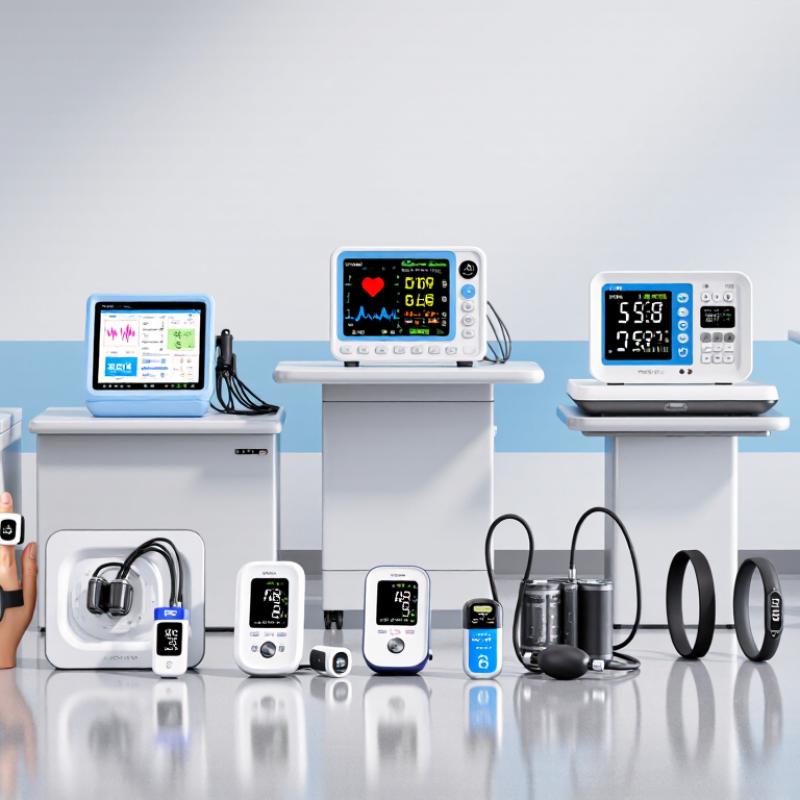
Top 10 Patient Monitoring Devices for Global Buyers

Core Functions and Types of Patient Monitoring Devices

Patient monitoring devices turn changing physiology into readable signals for clinical decisions.

Their core functions include sensing, displaying, recording, and alerting. Common measurements include heart rate, ECG rhythm, blood pressure, oxygen saturation, temperature, and respiratory rate.

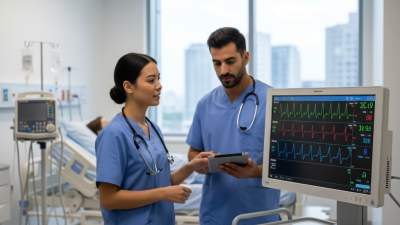
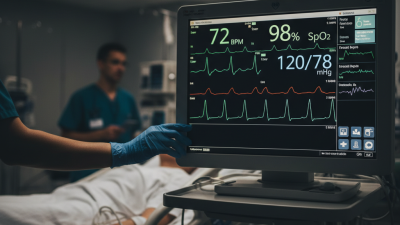
A bedside multiparameter monitor combines several channels on one screen. It may show a patient’s oxygen level falling while breathing becomes faster.

That pattern deserves attention, not automatic treatment. Alarm limits must match the patient, not simply factory settings. Too many alarms can hide the important one.

Wearable monitors support movement and longer observation outside intensive care. They may track pulse, oxygen saturation, activity, or single-lead ECG data.

Telemetry systems send readings wirelessly to a central station, helping staff observe patients across rooms. Portable vital-sign monitors are useful during transfers and routine ward checks.

Pulse oximeters are compact, but cold fingers, motion, and poor circulation can distort readings.

Capnography measures exhaled carbon dioxide and can reveal breathing changes earlier than oxygen saturation alone.

Each type answers a different clinical question.

Good selection depends on acuity, mobility, environment, connectivity, and staff training. A monitor should be easy to clean, simple to configure, and clear during urgent events.

Data storage and access controls also matter when records move between departments. In practice, device accuracy depends on sensor placement and regular maintenance.

No device is flawless. A stable-looking number can invite false confidence.

Clinicians still need to assess skin color, breathing effort, consciousness, and the patient’s own report. Technology supports observation; it does not replace it.
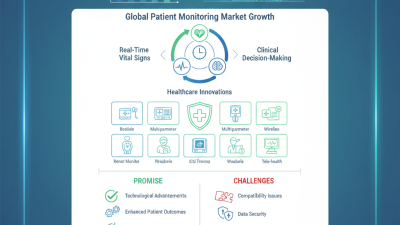
Top Ten Devices by Clinical Use and Monitoring Capability

Top 10 Patient Monitoring Devices for Global Buyers

Clinical use and monitoring capability should guide every purchasing decision. A multiparameter monitor tracks heart rate, oxygen saturation, blood pressure, temperature, and breathing. It suits emergency rooms and intensive care units. An electrocardiograph records cardiac electrical activity for rhythm assessment. A pulse oximeter gives rapid oxygen readings, but motion and poor circulation can distort results. Automated blood pressure monitors improve routine screening when cuffs fit correctly.

Capnography measures exhaled carbon dioxide and helps assess ventilation during anesthesia or critical care. Telemetry systems allow mobile patients to receive continuous cardiac observation. Fetal monitors track fetal heart rate and uterine activity during labor. Continuous temperature monitors reveal subtle changes that spot checks may miss. Glucose meters support fast bedside decisions, although sampling technique affects accuracy. Wearable electrocardiographic monitors extend rhythm observation beyond the hospital, especially for intermittent symptoms.

The strongest device is not always the most advanced one. A reliable monitor must match patient risk, staff training, power supply, connectivity, and service access. Local regulatory approval and independent performance validation deserve careful review. In practice, alarms can overwhelm busy teams. Data can also look precise while remaining clinically misleading. That weakness requires reflection. Buyers should compare response time, sensor replacement needs, calibration procedures, cybersecurity controls, and total ownership cost before deployment.

Top 10 Patient Monitoring Devices for Global Buyers - Top Ten Devices by Clinical Use and Monitoring Capability

No. Device Category Primary Clinical Use Core Parameters Monitored Typical Care Setting Monitoring Capability Main Advantages Key Limitations
1 Multiparameter Bedside Patient Monitor Continuous observation of acutely ill or high-risk patients. ECG/heart rate, SpO₂, non-invasive blood pressure, respiratory rate, temperature; optional invasive pressure and carbon dioxide. Intensive care, emergency departments, operating rooms, recovery units and general wards. Continuous or scheduled measurements with configurable alarms and trend displays. Combines several vital signs in one system and supports centralized surveillance. Higher cost, more training requirements and potential alarm fatigue.
2 Pulse Oximeter Rapid assessment of oxygenation and pulse rate. Peripheral oxygen saturation, pulse rate and, on some models, pulse waveform or perfusion index. Hospitals, clinics, ambulances, home care and respiratory screening. Spot checks or continuous monitoring depending on probe and device design. Portable, non-invasive, fast and relatively simple to operate. Readings can be affected by motion, poor circulation, nail coverings, skin pigmentation and low signal quality.
3 Automated Non-Invasive Blood Pressure Monitor Screening and follow-up of hypertension, hypotension and hemodynamic changes. Systolic pressure, diastolic pressure, mean arterial pressure and pulse rate. Primary care, inpatient wards, pharmacies, home monitoring and ambulances. Manual spot measurement or programmed repeated measurements. Widely available, non-invasive and suitable for self-monitoring when properly used. Accuracy depends on cuff size, arm position, movement and patient rhythm; not a substitute for invasive monitoring in critical cases.
4 Electrocardiograph Diagnosis and evaluation of cardiac rhythm, conduction and ischemic changes. Electrical cardiac activity, heart rate, rhythm, intervals and waveform morphology. Cardiology, emergency care, pre-operative assessment, outpatient clinics and mobile services. Usually a short 12-lead recording; some systems support continuous rhythm recording. Provides a standardized view of cardiac electrical activity and supports clinical interpretation. A short recording may miss intermittent arrhythmias; electrode placement and artifacts affect quality.
5 Capnograph Assessment of ventilation and airway status during anesthesia, critical illness and resuscitation. End-tidal carbon dioxide, respiratory rate and capnogram waveform; some models also display inspired carbon dioxide. Operating rooms, intensive care, emergency transport, procedural sedation and ventilated patients. Continuous breath-by-breath monitoring with waveform analysis and high/low alarms. Detects changes in ventilation and can help verify airway placement and respiratory deterioration. Requires appropriate sampling accessories; readings may be affected by leaks, secretions and low respiratory flow.
6 Telemetry Monitoring System Remote observation of cardiac rhythm in mobile hospitalized patients. Continuous ECG rhythm, heart rate and, in some configurations, oxygen saturation or respiratory rate. Cardiac wards, step-down units, medical-surgical wards and rehabilitation areas. Wireless transmission to a central station with arrhythmia detection and alarm notification. Supports patient mobility while maintaining continuous cardiac surveillance. Signal loss, electrode displacement and false alarms require active system management.
7 Fetal and Maternal Monitor Assessment of fetal heart rate and uterine activity during pregnancy and labor. Fetal heart rate, uterine contractions and, depending on configuration, maternal heart rate, blood pressure and oxygen saturation. Maternity wards, labor and delivery units, obstetric clinics and high-risk pregnancy services. Intermittent or continuous monitoring using external ultrasound and contraction sensors; internal options may be available for selected cases. Provides simultaneous fetal and maternal observations during labor management. Signal quality may vary with fetal movement, maternal body habitus and sensor placement; clinical interpretation is essential.
8 Ambulatory ECG Recorder Investigation of intermittent palpitations, syncope and suspected episodic arrhythmias. Single- or multi-lead ECG, heart rate, rhythm events and patient-activated symptom markers. Outpatient cardiology, diagnostic clinics and home-based evaluation. Extended recording from approximately 24 hours to several weeks, depending on the device type. Improves the chance of capturing infrequent rhythm abnormalities outside the clinic. Limited parameter range; skin irritation, data gaps and artifact can occur during prolonged wear.
9 Continuous Glucose Monitoring System Glucose trend management for people receiving diabetes care. Interstitial glucose level, direction and rate of glucose change, with high and low alerts on supported systems. Home care, outpatient diabetes services, hospitals and selected inpatient monitoring programs. Frequent automated readings over several days or weeks, transmitted to a receiver or mobile application. Shows trends and alerts that may not be visible from occasional finger-stick testing. Measures interstitial rather than directly circulating blood glucose; sensor replacement, calibration requirements and lag may apply.
10 Wearable Multiparameter Monitor Remote monitoring of selected vital signs during home recovery, chronic-care programs and lower-acuity observation. Depending on configuration: heart rate, activity, single-lead ECG, respiratory rate, skin temperature, SpO₂ or blood pressure. Remote patient monitoring, post-discharge care, rehabilitation and community health programs. Periodic or continuous data collection with wireless transmission to a monitoring platform. Supports mobility, longitudinal trend tracking and earlier review of deterioration signals. Performance varies by sensor and placement; connectivity, battery life, privacy and clinical validation must be assessed.
Procurement note: Actual specifications vary by model and jurisdiction. Buyers should verify intended-use claims, measurement accuracy, alarm performance, electrical safety, cybersecurity, interoperability, accessories, local regulatory clearance, service support and staff training requirements before purchase.

Key Specifications for Comparing Accuracy, Connectivity, and Usability

Top 10 Patient Monitoring Devices for Global Buyers

Comparing ten device categories requires more than reading accuracy claims. A pulse oximeter should show wavelength, stated tolerance, and performance across skin tones. The FDA warns that pigmentation, poor circulation, cold fingers, and nail products can affect readings. A 2020 clinical study found occult hypoxemia in 11.7% of Black patients, compared with 3.6% of white patients. That gap deserves attention.

Blood pressure monitors need validated cuffs, multiple sizes, and an irregular-heartbeat indicator. ECG devices should specify sampling rate, lead configuration, filtering, and false-alarm controls. Glucose meters require stated measurement range, sample volume, strip stability, and interference testing. Thermometers should identify the measurement site and response time. Capnography systems need clear CO2 waveforms, alarm limits, and dependable sidestream sampling. Fetal monitors must show trace quality, paper or digital storage, and artifact handling.

Wearable monitors, multiparameter monitors, telemetry systems, and central stations should disclose Bluetooth, Wi-Fi, cellular, or wired connectivity. Interoperability matters. The WHO Global Strategy on Digital Health 2020–2025 identifies connected data exchange as essential for safer, more coordinated care. Yet connectivity can become a weakness. A device may pair quickly but lose data beside thick walls. Cybersecurity updates, encryption, audit logs, and offline storage should appear in procurement documents. Usability also needs testing with gloves, dim lighting, limited literacy, and tired staff. WHO’s Global Patient Safety Action Plan reports that about one in ten patients experiences harm in healthcare. No scorecard is perfect. I would test the device beside a clinical reference unit, not trust a brochure alone.

Top 10 Patient Monitoring Devices for Global Buyers

Key specifications for comparing accuracy, connectivity, and usability

Scores are normalized representative benchmarks based on commonly published clinical specifications, interoperability options, workflow requirements, and typical user operation. Accuracy refers to measurement performance, connectivity covers wired, wireless, and data-export capability, and usability reflects setup, readability, portability, and routine operation. Always verify the device-specific IFU, regulatory clearance, and validation data before procurement.

Global Buyer Considerations: Compliance, Supply, and Total Cost

Top 10 Patient Monitoring Devices for Global Buyers

Global buyers often compare multiparameter monitors, ECG systems, pulse oximeters, blood pressure monitors, fetal monitors, capnography devices, temperature monitors, telemetry systems, wearable monitors, and central monitoring stations. The lowest quoted price rarely reflects the real purchase cost. A practical assessment should include sensors, cables, batteries, software access, training, calibration, shipping, and local service.

Compliance must match the destination market and intended clinical use. Buyers should verify electrical safety reports, performance testing, labeling, instructions, and quality-management documentation. Do not rely on a supplier’s certificate alone. Check its scope, issuing body, expiry date, and product model. Local registration may also apply. Requirements can differ between hospitals, home-care settings, and emergency transport.

Supply reliability deserves equal attention. Ask about production capacity, replacement-part availability, lead times, and backup logistics routes. A device that stops working because one probe is unavailable creates hidden clinical risk. Total cost should be calculated over several years, not one invoice. Include maintenance visits, consumables, warranty limits, software updates, and disposal arrangements. Field experience shows that cheaper devices can become expensive after repeated calibration failures. Still, every failure is not the supplier’s fault; poor staff training or unsuitable storage can also matter. Request sample documentation and test units before placing a large order. Small checks often reveal large gaps.

Procurement and Deployment Checklist for Healthcare Settings

Top 10 Patient Monitoring Devices for Global Buyers

Procurement and Deployment Checklist for Healthcare Settings

A reliable procurement plan starts with clinical needs, not catalog rankings. Compare vital signs monitors, ECG machines, pulse oximeters, blood pressure monitors, capnography units, fetal monitors, glucose meters, temperature monitors, telemetry systems, and wearable patient monitors. Confirm intended users, patient groups, measurement accuracy, battery duration, screen readability, and alarm controls. Request independent performance evidence and clear service documentation. A low purchase price can hide costly sensors, cables, software, or repairs.

Deployment requires equal attention. Check electrical compatibility, network access, storage conditions, and local technical support before shipment. Test every device beside the patient bed, not only in a warehouse. Confirm data export, user permissions, cleaning procedures, and integration with existing records. Train nurses with realistic scenarios, including motion artifacts and false alarms. Keep spare probes and batteries available. Small failures become serious during busy shifts. One practical weakness remains: some facilities buy advanced equipment without funding maintenance or staff refreshers. That planning gap deserves honest review.

Tips: Build a site-readiness checklist for each ward. Assign one clinical owner and one technical owner. Record serial numbers, calibration dates, training attendance, and repair history. Ask suppliers about replacement timelines and local-language manuals. Pilot a small group first. Collect staff feedback after two weeks, then adjust alarm limits and workflows. Do not assume every monitoring feature improves care; unnecessary alarms may increase fatigue. Check accessibility for smaller facilities, rural clinics, and limited-connectivity settings. Use applicable local medical-device and data-protection requirements as procurement gates.