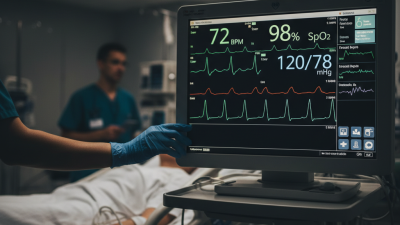
Top 5 Portable Vital Signs Monitors You Need to Know?
In recent years, the demand for portable vital signs monitors has surged, driven by the need for efficient and timely patient care. According to a report by Grand View Research, the global portable vital signs monitoring market is expected to reach $3.2 billion by 2025, growing at a CAGR of 7.5%. This growth reflects the increasing focus on home healthcare and remote patient monitoring.
Dr. Linda Chen, a notable expert in medical technology, states, "Portable vital signs monitors are revolutionizing how we manage patient health outside traditional hospital settings." Her insight highlights the importance of these devices in enhancing patient outcomes.
While these monitors offer convenience and real-time data, they are not without their limitations. Issues such as accuracy and reliability can raise concerns for healthcare providers. Additionally, the challenge of ensuring data security is paramount. As we explore the top five portable vital signs monitors, it's essential to consider both their benefits and drawbacks.
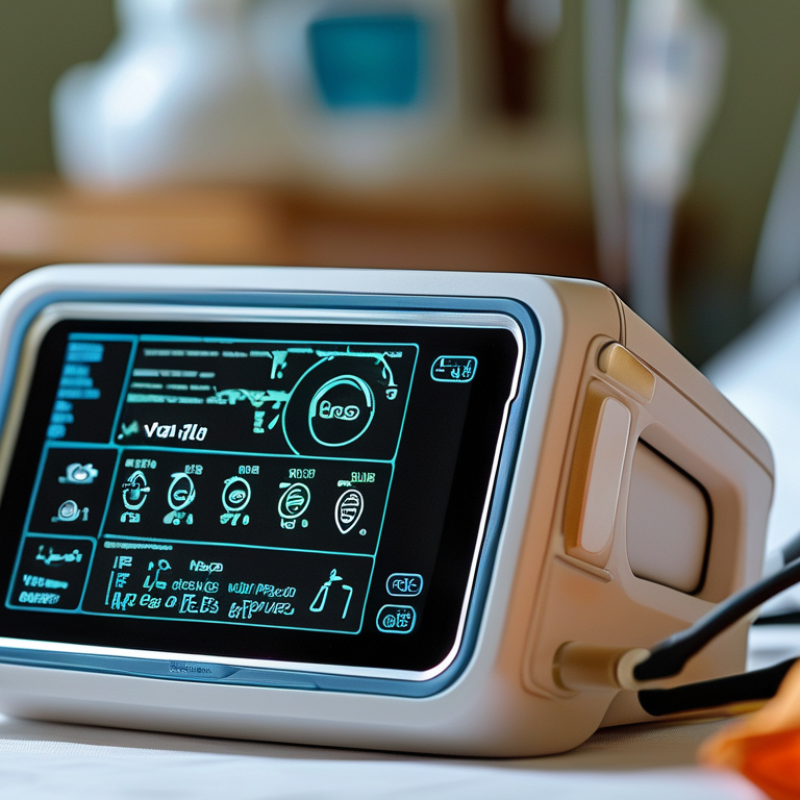
Key Features to Consider in Portable Vital Signs Monitors
When considering portable vital signs monitors, several key features stand out. First, accuracy is paramount. A study published in the Journal of Clinical Monitoring revealed that accuracy variance can reach up to 10% across devices. This makes it crucial to verify the device’s calibration regularly.
Connectivity features play an essential role as well. Devices that offer Bluetooth or Wi-Fi can transmit data to health records in real time, enhancing patient monitoring efficiency. The convenience of mobile applications is increasingly popular. According to a report by Mordor Intelligence, the market for wearable health tech is expected to grow by 22.6% from 2021 to 2026.
Battery life should not be overlooked, especially in emergency settings. Many monitors claim 12-hour battery life, but user reviews often highlight discrepancies in practical longevity. It's important to test devices under different conditions before relying on them in critical situations.
For accuracy, make sure to check calibration regularly. Look for connectivity options that align with your needs. Evaluate battery performance during trial runs. These steps will help you choose a monitor that truly supports effective patient care.
Top Portable Vital Signs Monitors Recommended for Home Use
Home health monitoring has gained significance. Portable vital signs monitors play a crucial role in tracking health metrics like heart rate and blood pressure. When choosing one for home use, keep specific features in mind. Look for easy-to-read displays and user-friendly interfaces. Battery life is also essential for continuous monitoring.
Increased accuracy is vital. Cheap models may not provide reliable readings. It's wise to invest in devices that are clinically validated. Many monitors are compact and lightweight. Some can even connect to smartphones. This feature allows easy record-keeping and sharing with healthcare providers.
Always remember calibration. Regular checks ensure that readings remain reliable. Understand that there might be discrepancies in readings when compared to professional devices. Some devices may lack comprehensive guidelines for usage. Familiarize yourself with each monitor’s manual to optimize performance. Developing a routine can improve the overall monitoring experience.
Top 5 Portable Vital Signs Monitors You Need to Know
| Model |
Features |
Battery Life |
Weight |
Price |
| Model A |
Heart Rate, SpO2, Temperature |
24 hours |
0.5 lbs |
$99.99 |
| Model B |
Blood Pressure, Heart Rate, SpO2 |
16 hours |
0.7 lbs |
$129.99 |
| Model C |
ECG, Heart Rate, Temperature |
20 hours |
0.6 lbs |
$159.99 |
| Model D |
SpO2, Flow Rate, Heart Rate |
18 hours |
0.4 lbs |
$89.99 |
| Model E |
Blood Pressure, ECG, SpO2 |
12 hours |
0.8 lbs |
$199.99 |
Comparative Analysis of the Best Portable Vital Signs Monitors
When evaluating portable vital signs monitors, it’s crucial to consider key features. Some monitors excel in accuracy, while others focus on user-friendliness. It’s essential to identify a device that meets your specific needs. Portability is generally a must. However, battery life and display clarity matter too. A durable design often reflects the reliability of the device.
One aspect of these monitors often overlooked is data connectivity. Some offer Bluetooth or Wi-Fi features to sync data with apps or cloud services. This connectivity can enhance patient monitoring and record-keeping. However, reliance on technology can sometimes lead to glitches. A monitor might work perfectly one day but fail during a critical moment. Users should be aware of these potential drawbacks.
Choosing the right monitor involves balancing features and potential pitfalls. User reviews provide real-world insights, reflecting practical experiences. It's wise to consider feedback on specific models. Ultimately, ensuring that a monitor aligns with personal or professional needs requires careful thought and research.
Potential Applications of Portable Vital Signs Monitors in Healthcare
Portable vital signs monitors have revolutionized healthcare in recent years. These devices offer real-time data on heart rate, blood pressure, and oxygen saturation. They are crucial in various settings, from hospitals to remote areas. Their mobility allows healthcare providers to deliver immediate care, significantly improving patient outcomes.
In emergency situations, portable monitors can be life-saving. Medics can assess a patient's condition en route to a hospital. This ability to monitor vitals in transit allows for timely interventions. Additionally, these devices facilitate telemedicine. Patients can share their vitals with doctors without leaving home. This is especially beneficial for those with chronic illnesses.
However, challenges remain. There can be technical issues, like data accuracy. Some devices may give false readings. Healthcare professionals must be trained to interpret data effectively. Reliability is key to ensuring proper care. Portable monitors are a step forward, but the healthcare community must address shortcomings to maximize their potential.
Future Trends and Innovations in Portable Vital Signs Monitoring
Portable vital signs monitors are evolving rapidly. With advancements in technology, these devices can now provide real-time data analysis and tracking. Future trends indicate a greater focus on integrating artificial intelligence for enhanced accuracy. Wearable technologies are becoming smaller and user-friendly, making monitoring effortless for both patients and healthcare professionals.
As these devices become more prevalent, there are essential tips to consider. When choosing a portable monitor, look for features that suit your specific needs. A good monitor should be easy to use and provide reliable data. Ensure the device offers a clear display for quick readings. Battery life is another factor to evaluate; longer battery life enhances convenience.
Additionally, privacy and data security are paramount. Monitors that transmit data should use secure encryption methods. Users need to be mindful of their information and choose devices that prioritize data protection. The future of portable vital signs monitoring is promising, but we must remain vigilant about quality and safety standards. As innovation continues, these tools will undoubtedly play a critical role in personalized healthcare.