Why Choose the Right Hospital Monitor for Your Needs?

In today's healthcare landscape, choosing the right hospital monitor is crucial. Dr. Emily Carson, a renowned expert in patient monitoring systems, emphasizes, "The right hospital monitor can make all the difference in patient outcomes." With various options available, understanding specific needs is essential.

Different hospitals have unique requirements based on their specialties. A surgical unit may prioritize real-time data accuracy. Conversely, a pediatric ward might focus on ease of use for less specialized staff. Yet, many facilities overlook their specific needs, leading to inadequate patient care.

Investing in a hospital monitor requires careful consideration. It's vital to evaluate features, usability, and support. Don't rush the decision; it impacts patient safety. Reflection on real-world applications often highlights how a poor choice can cost lives. Choosing wisely is not just an option; it's an obligation.

Why Choose the Right Hospital Monitor for Your Needs?

Understanding the Importance of Hospital Monitors in Patient Care

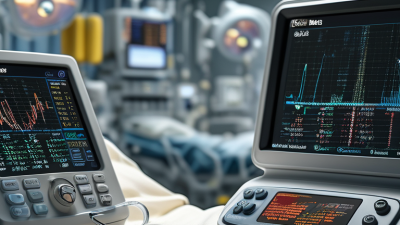
Hospital monitors play a crucial role in patient care. They continuously track vital signs, helping healthcare professionals detect potential issues early. Recent studies show that real-time monitoring can reduce patient complications by as much as 30%. Properly functioning monitors make the difference between timely interventions and delayed treatments.

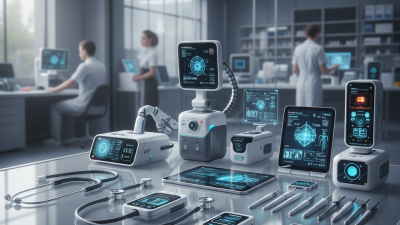
Choosing the right monitor involves understanding various features. Look for devices that measure heart rate, blood pressure, and oxygen saturation. Ensure they have clear displays for instant readability. Moreover, versatility matters. Some monitors serve specific departments better than others. For instance, telemetry monitors excel in cardiac units, while multi-parameter devices work well in surgical settings.

Monitoring systems can have limitations. Some may produce false readings due to movement or environmental factors. It’s essential to conduct regular calibrations and checks for accuracy. Healthcare staff should receive adequate training on these devices to minimize errors. Investing in the right technology is not just about purchasing a device; it’s about enhancing patient safety and care quality.
Key Features to Consider When Selecting a Hospital Monitor

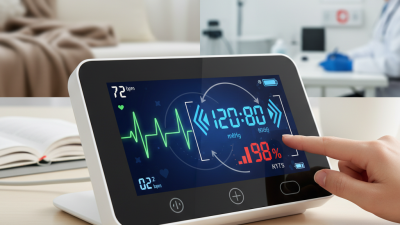
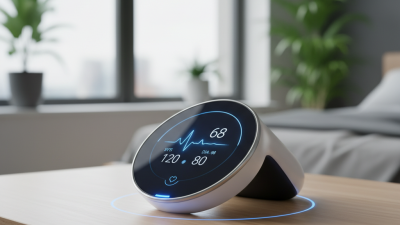
When selecting a hospital monitor, several key features matter greatly. Look for the display quality. A clear screen is essential for monitoring patient vitals accurately. Color-coded displays can help clinicians quickly identify critical changes. Battery life is another critical aspect. Longer battery life ensures uninterrupted monitoring in various situations, especially during transport.

Connectivity options are vital for integration into hospital systems. A monitor should seamlessly communicate with electronic health records. This connectivity aids in real-time data sharing. Additionally, ease of use is crucial. Complicated interfaces can lead to errors. Staff should easily learn and navigate the monitor.

Think about the monitor's customizability. Different departments may require specific settings or alerts. Being able to adapt the monitor to specific needs can enhance its effectiveness. Reflect on the training available for staff. Good training enhances the utilization of the monitor's features. Choosing the right hospital monitor involves careful consideration of these details. Each feature contributes to better patient care, but there's always room for improvement.

Hospital Monitor Features Comparison

This bar chart compares key features of various hospital monitors, including display size, battery life, weight, connectivity options, and price. Ensure to select a hospital monitor that best meets your operational needs based on these crucial features.

Different Types of Hospital Monitors and Their Specific Uses

When choosing a hospital monitor, it's essential to understand the various types available. Each type serves specific purposes, catering to different medical needs. For instance, vital signs monitors track heart rate, blood pressure, and oxygen saturation. These are crucial in emergency care and post-operative settings. They ensure that patients are stabilized and their conditions are continuously evaluated.

Another essential type is the cardiac monitor, which focuses on monitoring the heart's electrical activity. This device is vital for patients with heart conditions or those at high risk. It can alert medical staff to any irregularities. Furthermore, specialized monitors, like fetal monitors, are tailored for expectant mothers. These devices provide real-time information on the baby's health during labor.

While selecting a monitor, consider the environment and patient needs. Not all monitors are suitable for every situation. Conduct thorough research or consult with healthcare professionals. Sometimes, the differences between monitors can be subtle yet significant. Assessing these nuances helps ensure the best care for patients. Hospital monitors, while advanced, still require human oversight. Regular calibration is often overlooked, which can lead to inaccuracies. Always ensure the equipment is functioning optimally.

Why Choose the Right Hospital Monitor for Your Needs? - Different Types of Hospital Monitors and Their Specific Uses

Type of Monitor Specific Use Key Features Typical Settings
Vital Signs Monitor Continuous monitoring of heart rate, blood pressure, oxygen saturation Alarms for abnormal readings, remote data access, multi-parameter measurement Emergency rooms, ICUs, surgical units
Fetal Monitor Monitoring fetal heart rate and maternal contractions Real-time data, non-invasive, strip chart or digital display Labor and delivery units, prenatal check-ups
Multiparameter Monitor Comprehensive monitoring of various physiological parameters User-friendly interface, customizable display, integrated data management Surgery, post-anesthesia care units, critical care
ECG Monitor Monitoring heart's electrical activity Real-time waveform display, event recording, alarm system Cardiology departments, intensive care
Oximeter Measuring blood oxygen levels Portable, non-invasive, simple to use General wards, home-care settings, emergency situations

Evaluating Your Healthcare Facility's Unique Monitoring Needs

When evaluating your healthcare facility's unique monitoring needs, it's crucial to consider various factors. The patient population is one of the most significant aspects. Different age groups and conditions require tailored monitoring solutions. For instance, elderly patients might need devices that track heart rates and oxygen levels continuously. Meanwhile, younger patients might benefit from more compact, portable solutions.

Another essential factor is the layout of your facility. Is your space limited? If so, it might hinder the installation of bulky equipment. In such cases, consider multi-functional monitors that can provide various readings without occupying much space. Moreover, staff training plays a vital role in effective monitoring. Are your healthcare professionals familiar with new technologies? Insufficient training can lead to errors, which can affect patient safety.

Finally, budget constraints are a common challenge. High-quality equipment often comes with a high price tag. Weighing the cost against potential benefits is critical. Sometimes, facilities may need to compromise on advanced features in favor of affordability. This reflection is important in ensuring that patient care is not compromised while still meeting monitoring needs effectively.

Comparing Costs and Benefits of Various Hospital Monitoring Systems

Choosing the right hospital monitoring system involves a careful evaluation of costs and benefits. Reports indicate that hospitals can spend anywhere from $10,000 to over $100,000 on monitoring systems. The investment varies by the features and technology used. Monitoring systems play a crucial role in patient care and outcomes. However, finding a balance between cost and quality is essential for hospitals.

A significant focus should be on the return on investment (ROI). According to a study by the Healthcare Information and Management Systems Society, effective monitoring can reduce adverse events by up to 25%. It highlights how advanced systems can lead to better patient safety. On the flip side, some older monitoring systems may become costly due to maintenance and updates. Hence, hospitals must reflect on the long-term benefits versus short-term savings.

Moreover, integrating new monitoring systems can be challenging. Training staff and ensuring a smooth transition requires time and resources. In some cases, hospitals have reported initial declines in efficiency during the upgrade phase. Nevertheless, the long-term benefits often outweigh these initial hurdles, making the investment seem worthwhile. The experience of various healthcare facilities shows that careful consideration is crucial when selecting monitoring technology.