How to Choose the Best Telemonitoring Devices?

Choosing the best telemonitoring devices is not simply a matter of selecting the newest model. It requires careful attention to patient needs, clinical goals, data quality, and everyday usability. A blood pressure monitor may look impressive online, yet become useless if its cuff feels uncomfortable or its readings cannot reach the care team. The right device should fit naturally into a patient’s routine, whether that means checking oxygen levels beside a bed or weighing safely on a bathroom floor.

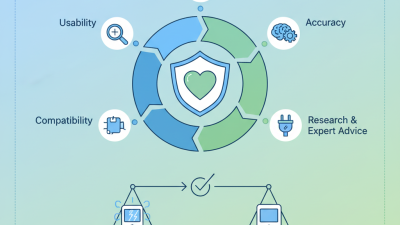
Dr. Joseph C. Kvedar, a leading digital health expert, has said, “The future of healthcare is in the home.” That future depends on reliable telemonitoring devices, not attractive packaging alone. Buyers should examine measurement accuracy, battery life, connectivity, accessibility, and compatibility with existing healthcare systems. Devices should also provide clear instructions, secure data transmission, and appropriate regulatory clearance for their intended market. These details can determine whether remote monitoring supports better decisions or creates avoidable confusion.

No device is perfect. A highly accurate sensor may still fail when patients forget to charge it. A simple interface may improve adherence, but offer fewer advanced features. This tension deserves honest evaluation. Real-world experience matters, including feedback from nurses, clinicians, caregivers, and patients using the equipment at home. The best choice balances technical performance with human behavior. It also leaves room for review, training, and adjustment. A trustworthy selection process asks not only, “Can this device collect data?” but also, “Will the right person understand and act on it?”
How to Choose the Best Telemonitoring Devices?

Define Telemonitoring Devices and Their Main Uses

How to Choose the Best Telemonitoring Devices?

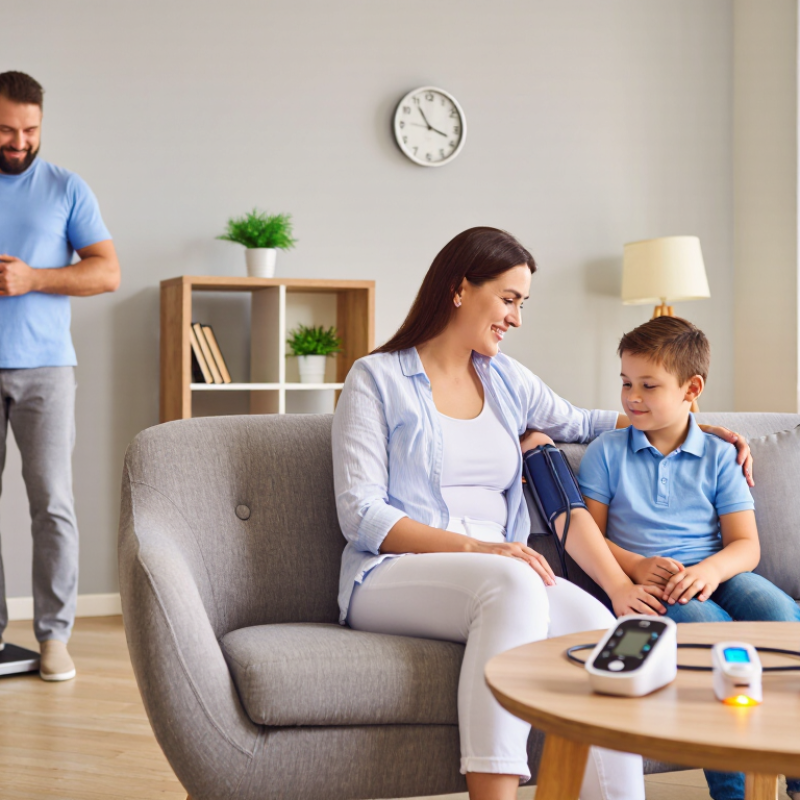
Telemonitoring devices collect health data outside clinics and send it to trained care teams. They may measure blood pressure, heart rate, oxygen saturation, glucose, weight, temperature, or movement. A home blood pressure cuff, for example, can record morning readings after a patient sits quietly. The device is useful only when measurements remain consistent, understandable, and clinically reviewed. Data alone is not care.

These devices mainly support chronic disease management, post-treatment follow-up, elder care, and remote consultations. A glucose monitor can reveal daily patterns that a short clinic visit may miss. Weight readings may warn clinicians about fluid changes in some heart conditions. Some systems detect changes before symptoms become severe. That promise has limits. Poor placement, weak connectivity, or skipped readings can create misleading records. Urgent symptoms still require appropriate medical attention, not delayed monitoring.

When choosing a device, check its clinical validation, measurement range, calibration process, and data security. Confirm that the patient can read the screen and operate the controls without assistance. Battery life matters in real homes. So does reliable technical support. A care team should explain who reviews the data, how often, and what action follows an abnormal result. One practical lesson is easy to miss: the most advanced device may fail when instructions feel complicated. A simpler device, used correctly, can produce more dependable information.
Identify Patient Needs, Health Conditions, and Monitoring Goals

How to Choose the Best Telemonitoring Devices?

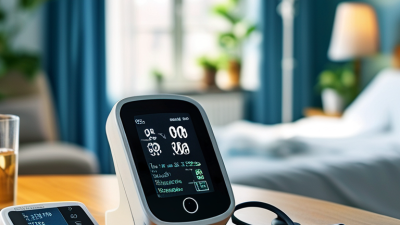
Choosing telemonitoring devices starts with patient needs, not attractive specifications. Ask how the patient lives, moves, and communicates. A person with arthritis may need large buttons and automatic readings. A patient with poor internet access may require cellular transmission. Language support, hearing ability, vision, and caregiver involvement also matter. Small barriers can become missed measurements.

Health conditions define what data matters. Blood pressure monitoring may require correct cuff sizing and seated rest. Glucose tracking demands safe sampling routines and clear result displays. For heart failure, weight changes, breathing symptoms, and swelling may provide useful context. Temperature monitoring can support infection checks, but it cannot replace clinical assessment. Ask a qualified clinician to confirm thresholds, measurement frequency, and escalation steps.

The monitoring goal should be specific: detect deterioration, support treatment adjustment, or improve daily self-management. Choose devices with clinically appropriate accuracy, documented validation, secure data handling, and readable reports. Test the workflow before routine use. Can the patient charge it, wear it, clean it, and respond to alerts? In practice, a device that looks perfect on paper may frustrate someone at home. Missed readings may result from confusing prompts, not unwilling patients. That possibility deserves honest review. Even a careful choice needs reassessment when symptoms, medication, or living arrangements change.

Compare Device Types, Sensors, Accuracy, and Data Collection Methods

Choosing a telemonitoring device starts with the clinical question, not the screen design. A cuff-based blood pressure monitor suits hypertension better than a general fitness wearable. The WHO’s 2023 Global Report on Hypertension estimates that 1.28 billion adults aged 30–79 have hypertension, while only about 21% control it. For heart rhythm concerns, ECG sensors may provide stronger evidence than optical PPG sensors. Pulse oximeters, temperature sensors, and accelerometers serve different needs. One sensor rarely tells the whole story.

Accuracy depends on testing conditions, calibration, placement, and patient movement. The FDA’s 2023 guidance on digital health technologies recommends evaluating fitness for purpose, data quality, and validation during clinical data collection. Ask whether readings were compared with a recognized clinical reference. Check error ranges, not just marketing claims. Continuous collection can reveal trends, but it increases battery use and noise. Spot measurements are simpler, yet they may miss short events. Bluetooth, cellular, manual entry, and application programming interfaces also affect data completeness. A neat dashboard can still hide bad readings. I still see teams underestimate missing data.

Tips: Choose the smallest sensor set that answers the care question. Test readings after walking, sitting, and normal use. Confirm time stamps, storage, transmission delays, and alert rules. Review the device with clinicians and real users before wider deployment. No device is perfect. A short pilot may expose uncomfortable truths.

Evaluate Connectivity, Privacy, Compatibility, and Ease of Use

Choosing the best telemonitoring device requires more than checking its medical features. Connectivity should remain stable in bedrooms, rural homes, and areas with weak signals. Test Wi-Fi, cellular, and Bluetooth connections before deployment. During a home-care trial, one blood pressure reading failed because the tablet disconnected during transmission. That small delay could affect clinical decisions.

Privacy deserves equal attention. Look for encrypted data transfers, secure storage, clear consent settings, and role-based access. Patients should understand who can view their measurements. Ask whether data is stored locally or transferred to a regulated cloud environment. No device is perfect. Even strong security controls can fail through poor passwords or careless sharing. Staff training remains essential.

Compatibility can determine whether a device becomes useful or frustrating. Confirm support for existing phones, tablets, operating systems, clinical software, and accessibility tools. A device may collect accurate readings but still create manual work if data cannot enter the care platform. Ease of use matters at the kitchen table. Choose readable screens, large buttons, simple prompts, audible feedback, and easy charging. Test the full process with older adults and users with limited dexterity. If setup requires a long manual, rethink the choice. A short pilot often reveals problems that specifications hide.

Assess Costs, Support Services, and Long-Term Reliability

How to Choose the Best Telemonitoring Devices?

Cost is more than the purchase price. Check installation, training, subscriptions, replacement parts, and data charges. A low-cost device may require expensive accessories later. Ask for a twelve-month estimate in writing. Include staff time for reviewing alerts and contacting patients. This detail is often missed. A short pilot can expose hidden expenses, such as extra sensors or repeated technical visits.

Support services strongly affect daily use. Look for trained assistance during evenings and weekends. Confirm whether support serves patients, caregivers, and clinical staff separately. Ask how urgent readings are escalated. Clear response times matter when a blood pressure reading arrives at 2 a.m. Written troubleshooting guides should use simple language. Test the help line before signing a contract. Slow support becomes a clinical burden.

Long-term reliability needs evidence, not confident promises. Request uptime records, maintenance procedures, warranty terms, and battery performance data. Check whether readings remain accurate after repeated use and cleaning. Independent clinical validation is valuable. Secure data transfer and regular software updates also protect continuity. Devices should work during weak internet connections, with safe data storage and later synchronization. I would still plan for failure. Batteries die. Networks drop. A backup process, spare equipment, and easy data export can prevent one small fault from disrupting care.

How to Choose the Best Telemonitoring Devices? — Assess Costs, Support Services, and Long-Term Reliability
Device Category Typical Purchase Cost (USD) Connectivity and Data Transfer Common Support Requirements Typical Service Life Maintenance and Replacement Considerations Long-Term Reliability Assessment
Automated Blood Pressure Monitor $40–$150 for a validated upper-arm model; cellular-enabled models may cost more Bluetooth, Wi-Fi, USB, or cellular connectivity depending on the configuration Patient onboarding, cuff-size guidance, pairing assistance, and occasional measurement review Approximately 3–5 years with regular home use Replace the cuff if it becomes damaged or loses elasticity. Accuracy should be checked periodically against a clinically trusted reference. High when the cuff fits correctly and the device has been clinically validated
Pulse Oximeter $20–$100 for a consumer or clinical-grade fingertip device; connected models may cost more Bluetooth or manual readings entered into a mobile application; some systems use cellular hubs Instruction on finger placement, motion control, cold hands, nail products, and low-perfusion limitations Approximately 2–5 years Clean the sensor according to the instructions, protect it from drops, and replace batteries or rechargeable cells when needed. Moderate to High; readings can be affected by motion, poor circulation, temperature, and improper placement
Digital Thermometer $10–$60; connected thermometers generally cost more than basic models Bluetooth, Wi-Fi, or manual entry into a monitoring platform Guidance on measurement site, cleaning, battery replacement, and interpretation of temperature trends Approximately 2–5 years Clean the probe after use and replace batteries as required. Probe covers may create a recurring consumables cost. High for routine temperature trending when used consistently at the same measurement site
Connected Weight Scale $30–$150; clinical or cellular-connected versions may cost more Bluetooth, Wi-Fi, or cellular connection through an integrated hub Help with account setup, Wi-Fi changes, user profiles, and troubleshooting inconsistent readings Approximately 3–5 years Use on a hard, level surface. Replace batteries when needed and keep the platform dry. Weight trends are generally more useful than isolated readings. High for trend monitoring; absolute accuracy may vary with surface, footwear, and user position
Single- or Multi-Lead ECG Device $80–$500 for reusable devices; clinical patch programs often use per-patient or per-monitoring-period pricing Bluetooth or cellular transmission to a smartphone, gateway, or remote monitoring service Electrode placement training, skin preparation, data interpretation by qualified professionals, and escalation procedures for abnormal results Reusable hardware: approximately 2–5 years; disposable patches: usually 7–14 days per patch Electrodes, adhesive patches, cables, and batteries may be recurring costs. Devices should be used only for their cleared or approved purpose. Moderate to High when signal quality, clinical review, and alert escalation are well managed
Connected Glucose Meter $20–$100 for the meter; test strips and lancets create ongoing costs. Continuous glucose systems are typically priced per sensor period. Bluetooth, cellular-enabled reader, or manual upload to a secure platform Training on sampling technique, data synchronization, strip storage, abnormal readings, and hypoglycemia escalation Meter: approximately 3–5 years; sensors and strips have shorter replacement cycles Test strips, lancets, sensors, batteries, and control solution can significantly affect total cost of ownership. Supplies must be stored within the specified temperature and humidity range. Moderate to High when supplies are stored correctly and the device is used according to its approved instructions
Cellular Health Gateway $100–$400 for hardware, often with a recurring connectivity or monitoring-service fee Cellular transmission; usually designed for patients without reliable home Wi-Fi or smartphones Remote activation, SIM or network support, device replacement, connectivity monitoring, and technical helpdesk access Approximately 3–5 years; cellular network compatibility should be confirmed before purchase Recurring data charges, battery backup replacement, network changes, and hardware logistics should be included in the budget. High when network coverage, remote device management, and replacement procedures are clearly defined

Cost figures are typical purchase-price ranges in U.S. dollars and exclude clinical staffing, software subscriptions, connectivity fees, consumables, shipping, and integration costs. Actual pricing, service life, accuracy, and regulatory status vary by device configuration and jurisdiction.