What Are the Top Types of Patient Monitoring Systems?

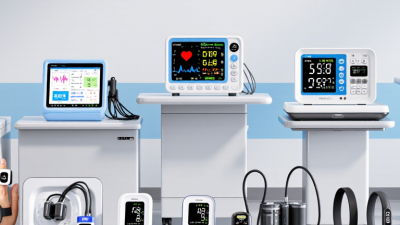
A patient monitoring system can be a bedside screen, a wearable sensor, or a home device that sends readings to a care team. These tools track different signals, so “monitoring” is not one uniform task. Some systems measure several vital signs at once; others focus on a single measure, such as heart rhythm, blood pressure, oxygen saturation, or blood glucose.

The need is tangible. The World Health Organization’s 2023 Global Report on Hypertension estimates that 1.28 billion adults aged 30–79 live with hypertension worldwide. It also reports that fewer than one in five have it under control. Regular blood-pressure monitoring can help identify changing readings, but a number alone does not explain what is happening to a person. Context matters.

This guide looks at the leading types of patient monitoring systems, including multiparameter bedside monitors, ECG systems, pulse oximeters, blood-pressure monitors, glucose monitors, wearable devices, and remote patient monitoring platforms. Their sensors, settings, and alert features differ. A pulse oximeter clipped to a finger, for instance, measures oxygen saturation and pulse; it does not provide a complete picture of respiratory health. Useful, but limited. Choosing a system means matching its measurements and workflow to the patient’s needs, while considering accuracy, comfort, connectivity, and clinical oversight. That sounds straightforward. In practice, teams still need to check how readings are interpreted and acted upon.
What Are the Top Types of Patient Monitoring Systems?

Core Functions and Clinical Role of Patient Monitoring Systems

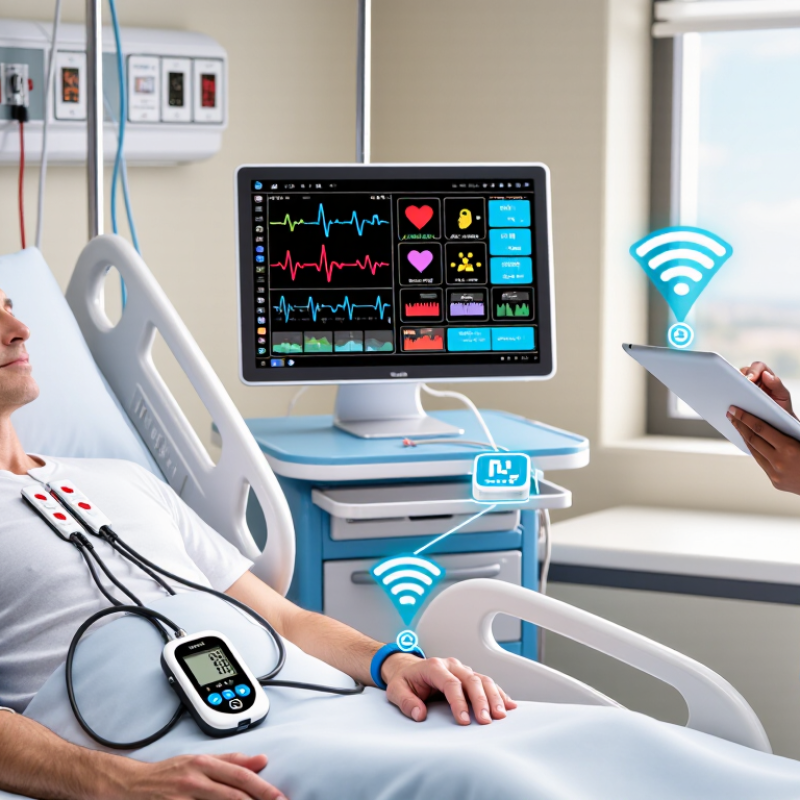
Patient monitoring systems measure vital signs continuously or at scheduled intervals, helping clinicians detect changes before they become obvious. Bedside units commonly track heart rate, oxygen saturation, blood pressure, breathing rate, and temperature. ECG waveforms can reveal rhythm changes, while central stations let staff view several patients’ readings together. Some systems also send measurements from wearable sensors to clinical teams beyond the hospital room.

The clinical role is early warning, not diagnosis by machine. A 2010 before-and-after study on a hospital ward reported 65% fewer rescue events and 48% fewer intensive care transfers after continuous pulse-oximetry surveillance was introduced. These results are promising, but one hospital’s findings cannot predict outcomes everywhere. The World Health Organization’s Global Patient Safety Report 2024 estimates that about one in ten patients experiences harm during healthcare, underscoring why timely observation matters.

Small changes matter. Still, alarms can be triggered by movement, poor sensor contact, or harmless variation. Too many alerts may distract staff, and a normal reading can offer false reassurance. Clinicians must check the patient, confirm questionable readings, and interpret trends alongside symptoms and context.

The screen helps. It does not replace bedside judgement.
Bedside Monitors for Continuous In-Hospital Observation

Bedside Monitors for Continuous In-Hospital Observation

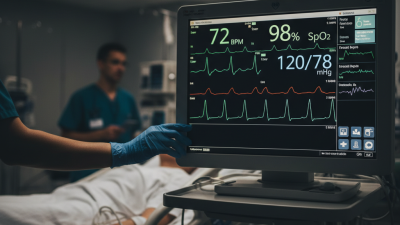
Bedside monitors display changing vital signs while patients remain under hospital observation. Depending on the patient and care setting, they may track heart rhythm, oxygen saturation, respiratory rate, and blood pressure. A nurse can see a pulse-oximeter waveform beside the bed, while relevant alarms may also appear at a central station. These readings help staff spot changes, but they do not explain their cause. A sensor can slip, and movement can distort a reading. The monitor is useful; it is not a substitute for bedside assessment.

Alarm management matters. The Joint Commission’s 2013 Sentinel Event Alert reported 98 alarm-related events submitted to the organization from 2009 through mid-2012, including 80 deaths and 13 cases of permanent loss of function. These were submitted reports, not a measure of risk across all hospitals. Still, they underline why alarm limits and responses need careful attention. Settings should reflect the patient’s condition, and staff should check unexpected readings against the patient and equipment. It is easy to trust a clean-looking screen too much.

Tips: Confirm sensor placement, review alarm limits during handoffs, and assess the patient when a reading changes. Quieting an alarm without checking its cause can hide useful information.

What Are the Top Types of Patient Monitoring Systems? - Bedside Monitors for Continuous In-Hospital Observation

Monitoring System What It Measures Common In-Hospital Use Key Benefit Important Consideration
Multiparameter bedside monitor Typically displays a configurable combination of ECG heart rate, oxygen saturation (SpO₂), non-invasive blood pressure, and temperature; some setups add respiratory rate or invasive pressures. Continuous observation in intensive care, step-down units, and other areas where patients need close monitoring. Brings several vital-sign measurements and alarm notifications together at the bedside. Displayed parameters depend on the connected sensors and monitor configuration. Motion, poor sensor contact, and other artifacts can affect readings or trigger alarms.
Bedside cardiac monitor ECG waveforms and heart rate; depending on the setup, it may also identify rhythm events and measure ST segments or QT intervals. Cardiac care, intensive care, and observation of patients at risk of arrhythmias. Allows clinicians to observe cardiac rhythm continuously rather than relying only on intermittent checks. Electrode placement and skin contact affect signal quality. Automated rhythm or interval results require clinical review and do not replace diagnostic interpretation.
Pulse oximetry monitor Peripheral oxygen saturation (SpO₂) and pulse rate, measured non-invasively with a light-based sensor. Monitoring oxygenation during recovery, respiratory care, and general inpatient observation. Provides a continuous, non-invasive estimate of blood oxygen saturation. It does not directly measure ventilation or carbon dioxide. Poor circulation, motion, and other factors can affect accuracy; readings should be interpreted with the patient's condition.
Capnography monitor Carbon dioxide in exhaled breath, commonly shown as end-tidal CO₂ (EtCO₂) and a waveform; some systems also display respiratory rate. Close observation during procedural sedation, recovery, and selected respiratory-care situations. Provides information about ventilation and breathing patterns that oxygen saturation alone may not show. Results depend on the sampling method and a reliable connection to the patient's breathing. EtCO₂ is not always identical to arterial carbon dioxide.
Invasive hemodynamic monitor Pressure measurements from connected catheters, such as arterial blood pressure; advanced setups may measure central venous or pulmonary artery pressures. Critical care and selected cases requiring continuous, direct pressure monitoring. Can provide continuous pressure waveforms and measurements when non-invasive methods are insufficient for clinical needs. Requires invasive access and appropriate setup. Positioning, leveling, zeroing, and waveform quality matter; catheter-related risks must be managed.
Central station with bedside telemetry Receives and displays ECG and heart-rate data transmitted from wearable patient units; available features vary by system. Hospital units where patients need cardiac observation while moving within approved areas. Supports observation of multiple patients from a staffed central location while allowing greater mobility than a fixed bedside setup. Wireless coverage, electrode contact, battery status, and alarm configuration can affect monitoring. Telemetry is not the same as continuous bedside measurement of every vital sign.
Neonatal bedside monitor Depending on configuration, monitors ECG or heart rate, SpO₂, respiratory activity, temperature, and sometimes blood pressure. Neonatal intensive care and other settings where newborns require continuous observation. Supports monitoring with sensors and alarm limits selected for neonatal care. Sensor choice, placement, and alarm limits should be appropriate for the infant and clinical context. Small patient size and movement can affect signal quality.
Fetal and maternal monitor In labor and delivery, commonly records fetal heart rate and uterine activity; some configurations also monitor maternal vital signs. Labor and delivery observation when fetal and uterine activity monitoring is clinically indicated. Displays fetal heart-rate patterns alongside uterine activity to support clinical assessment during labor. Traces require interpretation in context and do not independently establish fetal well-being. Signal quality and monitoring approach vary by patient and clinical situation.

Telemetry Systems for Mobile Patients

Telemetry systems help clinicians observe a patient’s heart rhythm while the patient moves around a ward. Small electrodes sit on the chest and connect to a wearable transmitter. It sends rhythm data wirelessly to a monitoring station, where trained staff can review changes and respond to alerts. A patient may walk to the bathroom or take a supervised corridor lap without being tethered to a bedside monitor. That freedom can support activity during recovery, while keeping rhythm surveillance in place.

The setup still needs careful attention. Loose electrodes, sweat, or a weak wireless signal can interrupt readings and create false alarms. Staff should check skin contact, battery status, and signal quality, especially after movement or bathing. Telemetry does not replace bedside assessment, and it may not measure every vital sign; capabilities depend on the system and care plan. Alarms need clinical interpretation. Too many alerts can make important changes harder to notice, a problem that deserves regular review. Patients also need clear instructions: report chest discomfort, dizziness, or a detached sensor rather than assuming the monitor has already signaled a problem. Real wards are messy. A transmitter can be uncomfortable, and walking distance may be limited by the patient’s condition.

Remote and Wearable Systems for Monitoring Outside Hospitals

Remote and wearable patient monitoring systems collect health information while people move through daily life. Common options include wearable heart-rate and rhythm monitors, pulse oximeters, blood pressure cuffs, glucose sensors, and temperature patches. Some devices send readings automatically to a care team; others store measurements for later review. The right choice depends on the patient’s condition, comfort, and care plan.

Useful readings need context. A pulse sensor may slip during a walk, and a cold finger can affect oxygen readings. Small details matter. Clinicians should explain how to use each device, how often to check it, and which changes require contact. Remote data can support care, but it cannot replace an examination or emergency help. Connectivity gaps and missed measurements also happen, so plans should account for them. A dashboard may look reassuring while a patient feels unwell; that mismatch deserves attention, not dismissal.

Tips: Wear the device as instructed, keep its contact points clean, and note symptoms beside unusual readings. Check battery and signal status regularly. If a reading seems unexpected, rest and repeat it according to the care team’s guidance; do not change treatment based on a single result without advice.

Specialized Monitors for Fetal, Neonatal, and Critical Care

Fetal, neonatal, and critical-care monitors serve different patients and clinical questions. Fetal systems commonly track heart rate and uterine contractions during labor. A Cochrane review of 13 trials involving more than 37,000 women found continuous cardiotocography reduced neonatal seizures, but increased caesarean delivery; it did not show a clear reduction in perinatal deaths. That trade-off matters. A tracing is evidence for clinical judgment, not a diagnosis by itself.

Neonatal monitors often combine ECG, oxygen saturation, breathing rate, and temperature. Sensors must stay secure on tiny limbs without irritating fragile skin. Motion and poor sensor contact can distort readings. The World Health Organization estimated 13.4 million preterm births worldwide in 2020, underscoring the need for monitoring suited to vulnerable infants. In critical care, bedside systems may track ECG, oxygen saturation, invasive blood pressure, and exhaled carbon dioxide. Clinicians interpret trends alongside the patient’s condition and check alarms rather than treating every alert as a crisis. A number on a screen can still mislead. Alarm fatigue and false readings remain practical concerns, so placement, calibration, and regular review matter.

Specialized Patient Monitoring: Typical Heart Rate Reference Ranges

Fetal monitors track fetal heart rate and uterine activity; neonatal monitors commonly track heart rate, oxygen saturation, and respiration; critical-care monitors can combine ECG, blood pressure, and oxygen saturation. The chart compares general heart-rate reference ranges.

Ranges are general reference values, not alarm limits or individual treatment targets. Values can vary with age, sleep or activity, pregnancy, and clinical context; critical-care alarm limits are set for the individual patient.