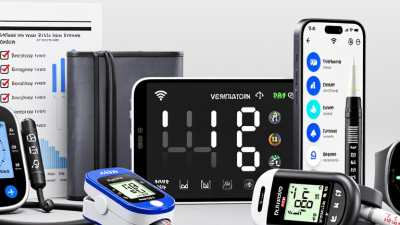
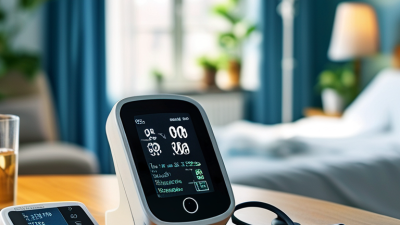
Choosing the right telemonitoring devices in 2026 is no longer a simple purchasing exercise. Global buyers must assess clinical value, connectivity, data security, usability, and long-term support. A blood pressure monitor may look reliable in a product photo, yet fail when older patients struggle with its cuff or mobile application. Small details matter. So does local infrastructure.
Dr. Joseph Kvedar, a widely recognized telehealth physician and researcher, has stated, “Telehealth is not a technology. It is a way of delivering care.” This principle remains important when comparing telemonitoring devices across hospitals, clinics, home-care programs, and remote communities. The strongest solutions support better decisions, not merely more data. They should capture accurate readings, transmit them consistently, and present alerts that clinicians can understand quickly. Interoperability also deserves attention. A device that cannot exchange information with existing health systems may create extra work instead of reducing it.
This guide examines leading options for global buyers, including wearable sensors, connected blood pressure monitors, pulse oximeters, glucose meters, and multi-parameter platforms. It considers practical evidence, regulatory expectations, patient comfort, installation requirements, and vendor reliability. No device is perfect. Battery failures happen. Connectivity varies. Some promises need closer questioning. Buyers should therefore compare published validation studies with real-world feedback from clinicians and patients. The best choice depends on the care setting, population, budget, and support capacity. Technology alone cannot repair a weak monitoring process. Yet, selected carefully, telemonitoring devices can make distant care more responsive, measurable, and humane.
What Telemonitoring Devices Are and How They Work
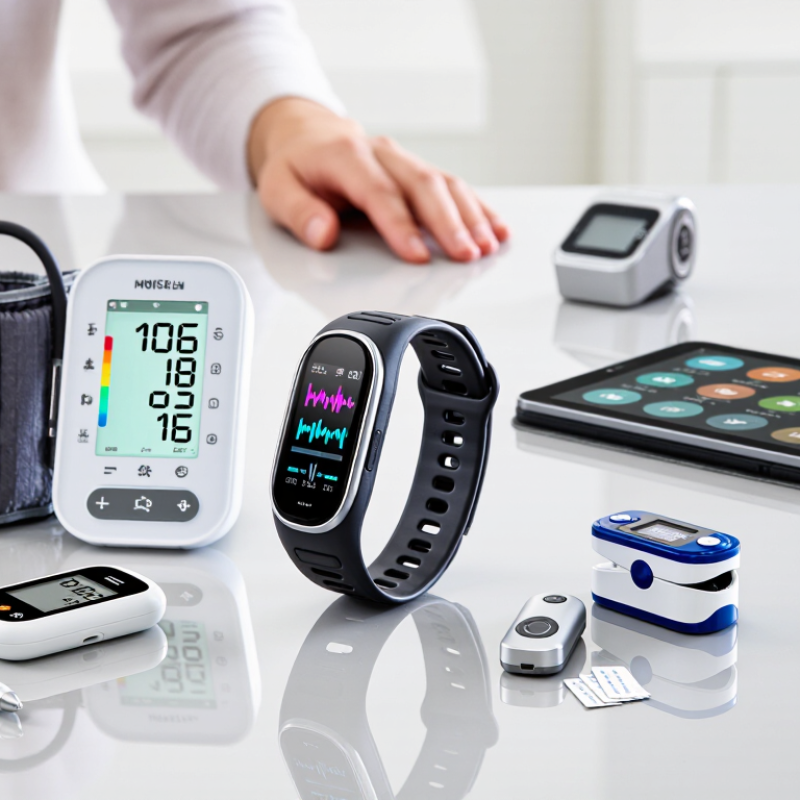
Telemonitoring devices collect health readings outside hospitals. Common examples include blood pressure cuffs, pulse oximeters, glucose meters, weight scales, and portable ECG sensors. A sensor captures a measurement, then sends it through Bluetooth or cellular networks. An app or gateway transfers the data to a secure clinical platform. Healthcare professionals can review trends, contact patients, and adjust care when necessary.
The World Health Organization’s 2023 Global Report on Hypertension estimates that 1.28 billion adults aged 30–79 have hypertension. Nearly half do not know they have it. The report also states that only about one in five people achieve controlled blood pressure. The International Diabetes Federation’s Diabetes Atlas reports that 589 million adults lived with diabetes in 2024. These figures show why home monitoring matters, but a device cannot replace clinical judgment. One unusual reading may reflect movement, poor cuff placement, cold fingers, or user error. The workflow sounds neat. Real life is not.
Tips: Choose medically validated devices with clear instructions and exportable readings. Check regional network coverage before purchasing. Confirm battery life, language support, data security, and service availability. Ask whether clinicians can interpret alerts, rather than relying on automatic warnings alone. Calibration is easy to forget, yet it can quietly damage reliability.
| Device Category | Main Measurements | How It Works | Typical Monitoring Pattern | Common Remote-Care Applications | Connectivity Options | Key Selection Considerations for Global Buyers |
|---|---|---|---|---|---|---|
| Digital Blood Pressure Monitor |
Systolic blood pressure Diastolic blood pressure Pulse rate |
An inflatable cuff temporarily changes pressure around an artery. The device detects pressure oscillations during cuff deflation and calculates blood-pressure values. | Scheduled readings, commonly taken at rest and repeated according to a clinician’s care plan. | Hypertension follow-up, cardiovascular risk management, pregnancy-related blood-pressure monitoring, and post-discharge care. | Bluetooth, cellular connection, Wi-Fi, USB, or manual entry into a patient portal. | Confirm cuff-size availability, validation evidence, measurement position guidance, local electrical requirements, language support, and data-protection compliance. |
| Pulse Oximeter |
Peripheral oxygen saturation (SpO2) Pulse rate |
Red and infrared light pass through tissue, usually a fingertip. The device estimates oxygen saturation from the different absorption of the two wavelengths. | Spot checks or repeated readings; some clinical programs use scheduled measurements. | Respiratory disease monitoring, recovery after illness, sleep-related assessment, and escalation screening. | Bluetooth, cellular gateway, Wi-Fi, or manual recording. | Check performance limitations caused by motion, cold fingers, poor circulation, nail products, skin pigmentation, and low signal quality. It should not replace clinical assessment. |
| Single-Lead ECG Recorder |
Electrical heart rhythm waveform Heart rate Rhythm-event recordings |
Electrodes detect the heart’s electrical activity from one or more contact points and convert the signal into a digital waveform for review. | Event-based recordings, scheduled checks, or short repeated recordings depending on the care plan. | Palpitations, rhythm-event documentation, post-procedure follow-up, and selected chronic cardiac-care pathways. | Bluetooth to a mobile device, Wi-Fi gateway, cellular hub, or secure clinician portal. | Verify intended clinical use, electrode placement instructions, signal-quality indicators, interpretation workflow, and whether clinician review is required. |
| Wearable ECG or Cardiac Patch |
Continuous or intermittent ECG waveform Heart rate Rhythm events |
Skin electrodes continuously or periodically measure cardiac electrical signals. Algorithms may identify possible rhythm irregularities for professional review. | Multi-day or longer-duration monitoring, depending on battery life, adhesive design, and prescription or program requirements. | Investigation of intermittent palpitations, post-event monitoring, arrhythmia surveillance, and selected ambulatory-care programs. | Bluetooth, near-field transfer, cellular relay, or upload through a connected mobile application. | Assess skin tolerance, wear duration, water resistance, replacement process, secure data transfer, and the distinction between automated alerts and confirmed diagnosis. |
| Digital Thermometer | Body temperature in °C or °F | A temperature sensor measures heat at an oral, axillary, rectal, temporal, or tympanic site, depending on the device design. | Spot checks or scheduled readings during an illness-monitoring program. | Infection monitoring, post-operative follow-up, pediatric care, and general home observation. | Bluetooth, Wi-Fi, cellular gateway, or manual entry. | Site-specific measurement differences matter. Review probe type, cleaning requirements, unit settings, operating temperature range, and local product registration rules. |
| Blood Glucose Meter |
Capillary blood glucose Usually reported in mg/dL or mmol/L |
A small blood sample is applied to a disposable test strip. An electrochemical reaction generates a signal related to glucose concentration. | Scheduled readings, often before or after meals, exercise, medication, or when symptoms occur. | Diabetes self-management, medication adjustment support, and remote review of glucose trends. | Bluetooth, cellular connection, USB, cloud portal, or manual entry. | Check unit conventions, strip supply and storage conditions, sample-volume requirements, calibration instructions, local reimbursement, and availability of compatible consumables. |
| Continuous Glucose Monitor |
Interstitial-glucose readings Glucose trend direction High and low alerts |
A small sensor placed under the skin measures glucose in interstitial fluid at regular intervals. A transmitter sends readings to a receiver or mobile application. | Near-continuous monitoring during the sensor’s approved wear period, with periodic sensor replacement. | Diabetes management, trend analysis, treatment support, and detection of recurring high or low glucose patterns. | Bluetooth, proprietary short-range radio, NFC scanning, mobile application, or cellular cloud relay. | Review approved wear duration, warm-up requirements, sensor placement, alert behavior, connectivity range, data ownership, and the need for confirmatory testing in selected situations. |
| Connected Body-Weight Scale |
Body weight Some models estimate additional body-composition indicators |
Load cells measure force applied to the platform. Some devices use bioelectrical impedance to estimate body-composition values. | Periodic readings, usually under similar conditions to improve trend interpretation. | Heart-failure monitoring, weight-management programs, nutrition care, and post-discharge observation. | Bluetooth, Wi-Fi, cellular hub, or manual entry. | Weight trends are generally more useful than single readings. Review maximum load, surface requirements, user identification, battery type, and limitations of impedance-based estimates. |
| Connected Spirometer or Peak-Flow Meter |
Forced expiratory volume Forced vital capacity Peak expiratory flow Flow-volume patterns, where supported |
The user exhales through a flow sensor. The device converts airflow over time into respiratory-volume and flow measurements. | Scheduled testing, symptom-triggered testing, or measurements before and after prescribed treatment. | Asthma monitoring, chronic obstructive pulmonary disease follow-up, pulmonary rehabilitation, and respiratory symptom assessment. | Bluetooth, mobile application, Wi-Fi gateway, or manual recording. | Technique strongly affects results. Consider calibration, disposable mouthpieces, infection-control procedures, posture guidance, age and height settings, and professional interpretation. |
| Remote Respiratory-Rate Sensor |
Respiratory rate Breathing pattern Sometimes movement or activity context |
Sensors may detect chest movement, airflow, impedance changes, or optical and inertial signals, depending on the design. | Continuous, overnight, or scheduled monitoring. | Respiratory-risk observation, sleep-related monitoring, chronic respiratory-care pathways, and selected post-operative programs. | Bluetooth, Wi-Fi, cellular hub, or local bedside gateway. | Examine motion artifacts, sleep-position effects, alarm thresholds, skin-contact requirements, data latency, and whether the device is intended for clinical diagnosis or trend monitoring. |
| Wearable Activity and Heart-Rate Sensor |
Heart rate Step count and activity level Sometimes sleep-related indicators and heart-rate variability |
Optical sensors estimate pulse from changes in blood volume, while accelerometers and gyroscopes measure movement and orientation. | Continuous or frequent daily measurement, depending on wear time and battery capacity. | Rehabilitation support, physical-activity coaching, wellness programs, and selected chronic-care interventions. | Bluetooth to a phone, Wi-Fi synchronization, cellular-enabled wearable, or periodic data upload. | Consumer wellness measurements are not automatically equivalent to clinical measurements. Check intended purpose, skin comfort, battery life, interoperability, and data-consent controls. |
| Connected Fetal and Maternal Monitor |
Maternal heart rate Fetal heart rate Uterine activity or contractions Sometimes maternal blood pressure |
Depending on the system, Doppler ultrasound detects fetal cardiac motion, while pressure or motion sensors detect uterine activity and other maternal signals. | Scheduled or clinician-directed sessions, generally during specific stages of pregnancy or labor. | High-risk pregnancy follow-up, selected antenatal programs, and remote review under specialist supervision. | Bluetooth, Wi-Fi, cellular connection, or a secure clinical gateway. | Use requires appropriate clinical protocols and trained interpretation. Confirm regulatory status, patient instruction quality, signal validation, emergency escalation procedures, and local obstetric support. |
| Multi-Parameter Home Monitoring Hub | May combine blood pressure, pulse rate, oxygen saturation, temperature, weight, and symptom questionnaires | The hub receives measurements from compatible peripheral sensors, time-stamps the data, and transmits it to a secure remote-care platform. | Scheduled measurements, symptom-triggered checks, and rule-based alerts. | Hospital-at-home programs, chronic-disease management, post-discharge care, and care pathways involving several vital signs. | Cellular, Wi-Fi, Bluetooth, Ethernet, or a combination of local and wide-area networks. | Prioritize interoperability, offline storage, automatic transmission, battery backup, multilingual instructions, accessibility, cybersecurity, and clear alert-escalation responsibilities. |